A Deep Dive with Veriform’s Metal Fabrication Experts
In the rapidly evolving landscape of metal fabrication and welding, laser welding technology stands out for its precision, efficiency, and versatility. As industries from aerospace to automotive increasingly rely on this advanced technique, understanding the workings of a laser welding machine becomes essential. Veriform, a company at the forefront of metal fabrication and specialized welding services, provides an expert overview of how laser welding machines operate and their significance in modern manufacturing.
The Fundamentals of Laser Welding
Laser welding employs a concentrated beam of light to fuse materials together. This process is distinguished by its ability to focus a high amount of energy into a small, precise area, allowing for deep penetration welds with minimal heat spread. Here’s a step-by-step look at how a laser welding machine operates:
1. Generating the Laser Beam
The core of a laser welding machine is its laser source, which generates a beam through the stimulation of a lasing medium by electrical discharges or lamps. The most commonly used lasers in welding are fiber lasers and CO2 lasers, each suitable for different materials and applications.
2. Beam Delivery and Focusing
Once generated, the laser beam is directed toward the workpiece using a series of mirrors or a fiber optic cable. Arriving at the welding head, the beam is then focused to a precise point using lenses or a curved mirror. This focused beam is what makes laser welding so effective for detailed and high-strength welds.
3. Material Fusion
When the focused laser beam hits the material, its intense energy heats and melts the material in a localized area, allowing two or more parts to be fused together. The depth and strength of the weld are controlled by the laser’s power, the duration of exposure, and the speed at which the beam moves across the material.
4. Cooling and Solidification
After the laser passes, the molten material cools and solidifies quickly, forming a strong, precise weld. This rapid cooling also helps minimize the heat-affected zone (HAZ), preserving the properties of the material around the weld.
Advantages of Laser Welding
Veriform’s adoption of laser welding technology is driven by its numerous benefits, including:
Precision: The ability to focus the laser beam on a very small area allows for intricate welds on delicate components.
Speed: Laser welding is faster than traditional welding methods, enhancing production efficiency.
Versatility: Capable of welding a variety of materials, including metals that are difficult to weld by conventional means.
Quality: Produces high-quality welds with low distortion and a clean appearance, reducing the need for post-weld finishing.
Applications in Metal Fabrication
Laser welding’s precision and versatility make it ideal for a wide range of applications, such as:
Automotive Manufacturing: For welding components with precision and strength, contributing to lighter and safer vehicles.
Aerospace Industry: In the fabrication of aircraft parts, where the integrity of each weld is critical.
Medical Devices: For assembling small, complex devices where traditional welding methods are impractical.
Veriform’s Expertise in Laser Welding
At Veriform, our extensive experience in metal fabrication and welding positions us as a leader in utilizing laser welding technology. Our state-of-the-art laser welding machines, combined with our skilled technicians, allow us to offer unmatched precision and quality in our welding services. We’re committed to pushing the boundaries of what’s possible in metal fabrication, leveraging the latest technologies to meet our clients’ needs.
Conclusion
Understanding how a laser welding machine works illuminates the possibilities and advantages it brings to metal fabrication and welding. With its precision, speed, and versatility, laser welding is transforming manufacturing processes across industries. Veriform remains at the cutting edge of this transformation, offering expert laser welding services that meet the highest standards of quality and efficiency.
For those looking to harness the power of laser welding in their projects, partnering with Veriform means choosing a leader in metal fabrication and welding innovation. Visit us to explore how our laser welding capabilities can enhance your manufacturing processes and products.
Exploring the History with Veriform’s Metal Fabrication Experts
Laser welding, a cornerstone technology in the fields of metal fabrication and welding, represents a pinnacle of precision engineering and innovation. Its inception marks a significant leap forward in manufacturing capabilities, offering unmatched precision, efficiency, and flexibility. As a leader in specialized welding and metal fabrication services, Veriform delves into the origins of laser welding to shed light on its revolutionary impact on the industry.
The Dawn of Laser Welding
Laser welding was invented in the 1960s, shortly after the first working laser was introduced by Theodore H. Maiman in 1960. This groundbreaking discovery set the stage for a new era in manufacturing technologies. The development of laser welding technology was driven by the growing need for precise, high-quality welding methods that could meet the demands of rapidly advancing industries such as aerospace, automotive, and electronics.
The Evolution of Laser Technology
The first lasers used for welding were ruby lasers, characterized by their ability to produce intense, focused beams of light. However, the quest for more efficient and practical welding solutions led to the development of gas lasers, such as the carbon dioxide (CO2) laser in the mid-1960s, which offered greater power and efficiency for industrial applications. This was followed by the introduction of the neodymium-doped yttrium aluminum garnet (Nd:YAG) laser, which further expanded the possibilities for laser welding with its ability to be transmitted through optical fibers, allowing for greater flexibility and control in welding operations.
The Impact on Metal Fabrication and Welding
The invention of laser welding technology revolutionized the metal fabrication and welding industry. It introduced a level of precision and control previously unattainable with traditional welding methods. The key benefits of laser welding include:
High Precision and Accuracy: Laser welding provides unparalleled precision, making it ideal for intricate and detailed welding tasks.
Minimal Heat Input: The focused nature of the laser beam minimizes heat input, reducing distortion and the heat-affected zone (HAZ) in the welded materials.
Versatility: Laser welding can be applied to a wide range of materials, including metals that are challenging to weld using conventional methods.
Increased Efficiency: The speed and efficiency of laser welding have significantly improved production times and reduced costs in manufacturing processes.
Veriform’s Integration of Laser Welding
At Veriform, the integration of laser welding technology into our metal fabrication and welding services underscores our commitment to innovation and excellence. By harnessing the capabilities of laser welding, we are able to offer our clients superior quality, precision, and efficiency in their projects. Our expertise in laser welding allows us to tackle complex welding challenges, ensuring that we meet the stringent requirements of industries where precision and reliability are paramount.
Looking Ahead: The Future of Laser Welding
As we look to the future, the potential for laser welding continues to expand with advancements in laser technology and materials science. The ongoing development of fiber lasers and the exploration of new laser mediums promise even greater efficiency, control, and application possibilities. Veriform remains at the forefront of these technological advancements, continually exploring new ways to leverage laser welding technology to enhance our metal fabrication and welding capabilities.
Conclusion
The invention of laser welding in the 1960s marked a turning point in the field of metal fabrication and welding, offering a new dimension of precision and efficiency. Today, Veriform proudly continues the tradition of innovation that laser welding represents, delivering state-of-the-art welding solutions to our clients. As we embrace the future of manufacturing, our commitment to excellence and innovation ensures that we remain leaders in the industry, pushing the boundaries of what’s possible in metal fabrication and welding.
For more information on how Veriform’s advanced laser welding capabilities can benefit your next project, visit us today. Together, we can achieve the precision, efficiency, and quality your projects demand.
Unveiling the Strength Behind Veriform’s Precision Welding
In the intricate world of metal fabrication and welding, strength and durability are paramount. With the advent of laser welding technology, industries across the board are reevaluating their manufacturing processes to incorporate this advanced technique. But the pressing question remains: Are laser welds strong? Veriform, a leading name in metal fabrication and specialized welding services, sheds light on the robustness of laser welding and how it stands up to traditional welding methods.
The Strength of Laser Welding Explained
Laser welding, known for its precision and efficiency, employs a concentrated laser beam to fuse metal parts. This method is celebrated for producing high-quality joins with minimal heat input, leading to less distortion and a cleaner finish. But how does the strength of laser welds compare to more conventional welding techniques?
Key Factors Contributing to the Strength of Laser Welds
Focused Heat Source: Laser welding’s concentrated heat source results in deeper penetration and a narrower weld, which contributes to a higher strength-to-width ratio compared to traditional welding methods.
Minimal Heat Affected Zone (HAZ): The precision of laser welding limits the heat-affected zone, preserving the material’s original properties and strength near the weld.
Reduced Material Stress: With less heat input and distortion, laser welded joints experience reduced residual stress, enhancing the overall strength of the welded structure.
Veriform’s Approach to Maximizing Weld Strength
At Veriform, we understand that the strength of a weld is critical to the integrity and performance of the final product. Our approach to laser welding incorporates several best practices to ensure maximum weld strength:
Optimal Material Preparation: Clean and properly prepared surfaces are crucial for strong laser welds. Veriform ensures meticulous surface preparation to enhance weld quality.
Advanced Laser Welding Equipment: Utilizing state-of-the-art laser welding technology allows for precise control over the welding process, ensuring consistent and strong welds.
Expertise and Quality Control: Our team of skilled technicians and rigorous quality control measures guarantee that every weld meets the highest standards of strength and durability.
Comparing Laser Welds to Traditional Welding
When compared to traditional welding methods, such as MIG (Metal Inert Gas) or TIG (Tungsten Inert Gas) welding, laser welds offer several advantages that contribute to their strength:
Precision and Control: Laser welding provides unparalleled control over the welding process, resulting in uniform and consistent welds.
Versatility: Capable of welding a wide range of materials and thicknesses with precision, laser welding is adaptable to various applications, further enhancing the strength and integrity of the joints.
Efficiency and Productivity: Faster welding speeds and the ability to automate the laser welding process lead to increased productivity without compromising weld strength.
Applications Benefiting from Strong Laser Welds
The strength and reliability of laser welds make them ideal for critical applications across various industries:
Aerospace and Aviation: For lightweight yet strong components that withstand extreme conditions.
Automotive Industry: In the manufacturing of safety-critical components where strength and precision are vital.
Medical Devices: Where precision and the integrity of welds can be a matter of life and death.
Veriform’s Commitment to Excellence in Welding
At Veriform, our commitment to leveraging the latest technologies in metal fabrication and welding is evident in our adoption and mastery of laser welding. Our dedication to quality, precision, and strength ensures that our clients receive products that not only meet but exceed their expectations.
Conclusion
The question of whether laser welds are strong is met with a resounding affirmation. Through advanced technology, meticulous processes, and a commitment to quality, Veriform demonstrates that laser welding is not only a viable option but a superior one for achieving strong, durable welds. As industries continue to evolve, the strength and efficiency of laser welding solidify its place as a cornerstone of modern manufacturing.
For those in search of a welding partner that prioritizes strength, precision, and reliability, Veriform stands ready to meet your needs. Explore how our laser welding services can elevate the quality and durability of your projects by visiting us today.
Insights from Veriform’s Metal Fabrication Experts
In the diverse world of metal fabrication and welding, aluminum stands out for its lightweight, strength, and corrosion resistance, making it a preferred material across various industries, including aerospace, automotive, and construction. As technology advances, one question often arises: Can you laser weld aluminum? Veriform, a leader in metal fabrication and welding, delves into this topic, offering professional insights into the capabilities and considerations of laser welding aluminum.
Understanding Laser Welding Aluminum
Laser welding is a cutting-edge technique that uses a high-intensity laser beam to fuse metal pieces. This process is renowned for its precision, speed, and ability to join metals with minimal heat input, making it ideal for sensitive applications. But when it comes to aluminum, a metal known for its reflective properties and high thermal conductivity, the question of feasibility comes into play.
The Challenges
Reflectivity: Aluminum’s high reflectivity can pose a challenge for laser welding, as it can reflect the laser beam away from the workpiece, reducing the efficiency of the welding process.
Thermal Conductivity: Aluminum’s rapid heat dissipation requires higher laser power or changes in welding techniques to ensure proper fusion.
Porosity: The risk of porosity, or the formation of gas pockets, is higher when laser welding aluminum due to its high affinity for oxygen.
Overcoming the Challenges
Despite these challenges, advancements in laser welding technology have made it possible to effectively weld aluminum. Veriform employs the following strategies to ensure high-quality laser welds on aluminum:
Utilizing Pulsed Lasers: Pulsed lasers can manage heat input more effectively, reducing the risk of warping and improving weld quality.
Welding in Controlled Environments: Performing the welding process in an inert gas atmosphere, such as argon, helps prevent oxidation and reduces porosity.
Pre-Weld Preparation: Cleaning the aluminum surfaces thoroughly before welding can significantly reduce issues related to reflectivity and porosity.
The Benefits of Laser Welding Aluminum
Choosing laser welding for aluminum offers several benefits:
Precision and Quality: Laser welding provides superior precision, making it suitable for complex and intricate designs.
Low Distortion: The minimal heat input leads to less metal distortion, preserving the integrity of the component.
Efficiency: Faster welding speeds and the ability to automate the process increase production efficiency.
Applications in Industries
Laser welding aluminum is revolutionizing manufacturing processes in multiple sectors:
Aerospace: For lightweight and high-strength components.
Automotive: In electric vehicle battery manufacturing and structural components.
Consumer Electronics: Where precision and aesthetics are critical.
Veriform’s Expertise in Laser Welding Aluminum
At Veriform, our expertise in metal fabrication and welding extends to the advanced technique of laser welding aluminum. Our state-of-the-art equipment, combined with our skilled team, allows us to tackle the unique challenges presented by aluminum. We are committed to delivering top-quality results, from intricate components to large-scale projects.
Conclusion
Laser welding aluminum is indeed possible and increasingly prevalent in industries seeking precision, efficiency, and quality. Despite the challenges, companies like Veriform are leading the way in utilizing this technology to its full potential, pushing the boundaries of what’s possible in metal fabrication and welding.
For businesses looking to leverage the benefits of laser welding aluminum, partnering with experienced fabricators like Veriform ensures that your projects are in capable hands. With our commitment to innovation and excellence, we help our clients achieve their manufacturing goals, delivering projects that meet the highest standards of quality and performance.
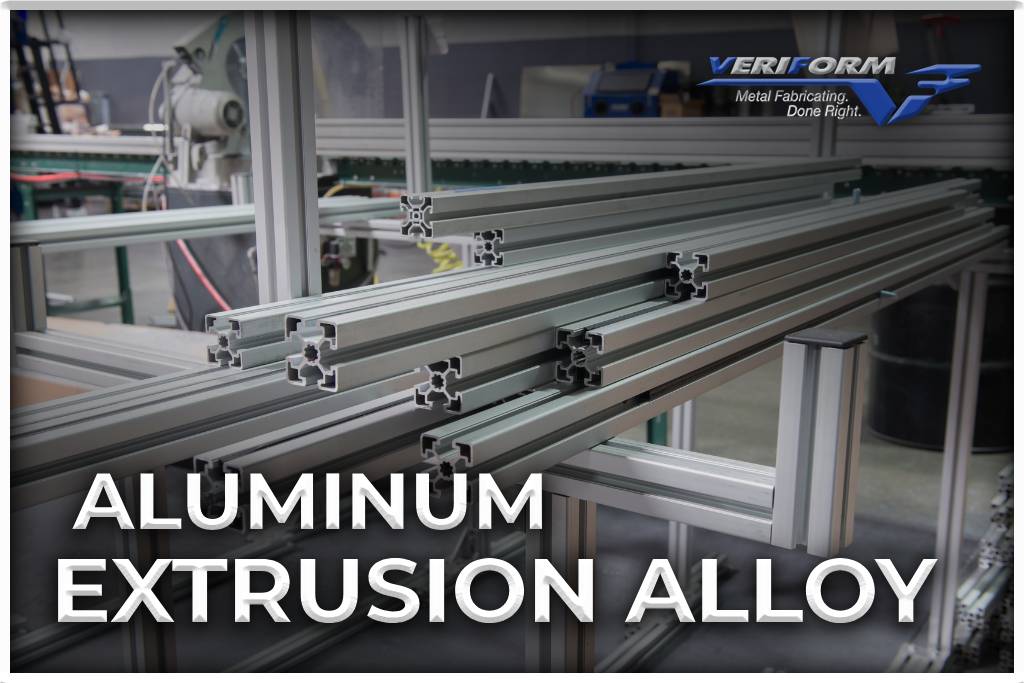
“Aluminum extrusion alloys are more than just a technical term; they’re the backbone of modern manufacturing.” This opening line sets the stage for our exploration into the world of these alloys, used extensively in everything from automobile frames to smartphone bodies.
Extrudability of Wrought Aluminum Alloys
Understanding Extrudability
Extrudability refers to how well an aluminum alloy can be pushed through a die to create intricate shapes. Think of it as the alloy’s ability to ‘play nice’ during the extrusion process.
Factors Affecting Extrudability
Several factors influence this property, such as the alloy’s composition and temperature during extrusion. The right balance ensures smoother manufacturing and better end products.
Wrought Aluminum Alloys for Extrusion
Common Wrought Alloys
We encounter wrought aluminum alloys daily without realizing it. These alloys, known for their ductility and strength, are perfect for extrusion.
Advantages in Extrusion
Why choose wrought alloys for extrusion? They offer a unique combination of lightness and strength, making them ideal for a range of applications.
Main Properties for Different Aluminum Alloy Series
Series 1xxx to 7xxx
Each series, from 1xxx to 7xxx, has distinct characteristics. For instance, 1xxx series alloys are known for their purity and electrical conductivity, while 7xxx series alloys boast exceptional strength.
Tailoring to Needs
Depending on the requirement – be it flexibility, strength, or corrosion resistance – there’s an aluminum alloy series to fit the bill.
The Best Aluminum Extrusion Alloys
Top Picks
When it comes to the best alloys for extrusion, some stand out. Alloys like 6061 and 6063 are often hailed as the go-to options for their balance of strength and formability.
Industry Favorites
These alloys are not just popular choices; they are industry staples in automotive and construction sectors for their reliability and versatility.
Which Aluminum Extrusion Alloy Should You Choose?
Assessing Your Needs
Choosing the right alloy depends on your project’s specific needs. Factors like strength, weight, and corrosion resistance play crucial roles.
Making an Informed Decision
It’s about matching the alloy’s properties to the intended application, ensuring efficiency and longevity in the final product.
Conclusion
In summing up, aluminum extrusion alloys are a fascinating subject, blending science and practicality. Whether it’s in the sleek design of a gadget or the robust frame of a building, these alloys play a critical role. Understanding their properties and applications not only aids in making better manufacturing choices but also deepens our appreciation for the everyday objects around us.
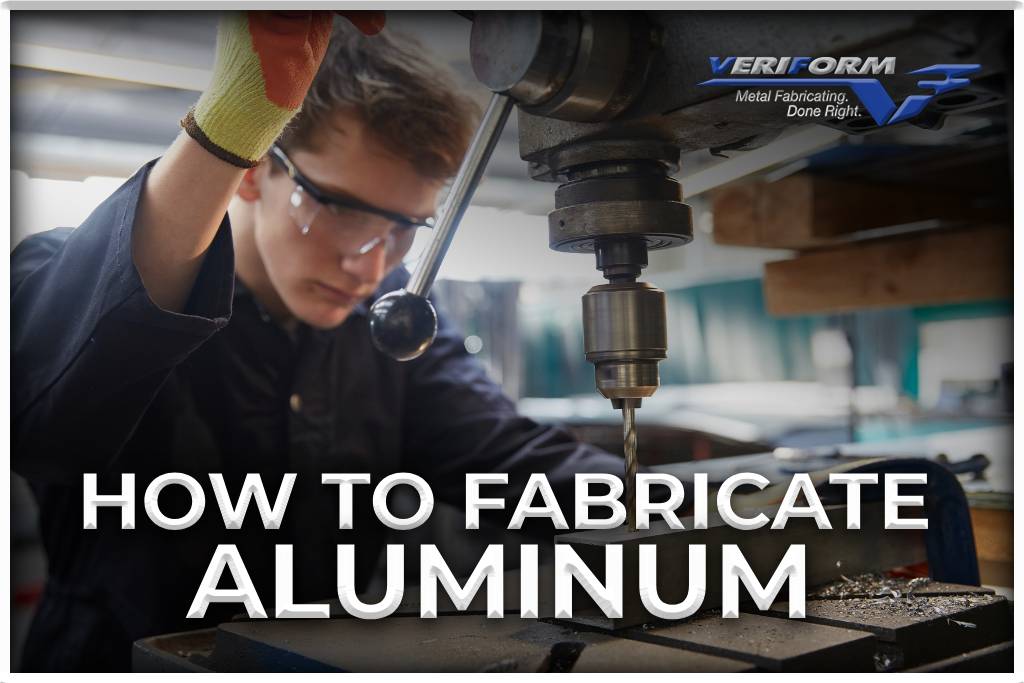
Understanding how to fabricate aluminum is pivotal in the manufacturing world. This lightweight, malleable metal is a cornerstone in numerous industries. Let’s dive into the four key processes that make aluminum so versatile.
#1 Aluminum Extrusion
Aluminum extrusion is akin to playing with a play-dough press on a monumental scale. The process involves forcing heated aluminum through a die to create elongated shapes with a uniform cross-section. It’s not just about pushing metal through a mold; it’s about precision and versatility.
Typical Applications
From the frames of your solar panels to the sleek body of your laptop, aluminum extrusion plays a role. Its application in construction, especially in window frames and structural supports, showcases its blend of strength and lightness.
#2 Aluminum Casting
Aluminum casting is the art of transformation. Molten aluminum is poured into a mold and left to solidify, adopting the mold’s shape. This process allows for intricate designs and complex geometries that other methods can’t achieve.
Typical Applications
Car engines and airplane parts owe their existence to aluminum casting. This process is not just about making heavy-duty parts; it’s also used in creating intricate components for electronic devices and household appliances.
#3 Rolling Aluminum
Rolling aluminum is the process of flattening and stretching the metal into sheets or foils. It involves passing the aluminum between large rollers, applying immense pressure to achieve the desired thickness. It’s a balance of force and finesse.
Typical Applications
The aluminum foil in your kitchen, the body of your car, or even the roofing sheets on buildings – all are products of aluminum rolling. This process is fundamental in packaging, transportation, and construction industries.
#4 Forging Aluminum
Forging aluminum involves shaping the metal under high pressure, often while it’s hot. This process alters the metal’s grain structure, enhancing its strength and durability. It’s the combination of heat, pressure, and skill.
Typical Applications
High-strength components like gears, levers, and structural parts in automotive and aerospace industries are typically forged. It’s not just about brute force; it’s about engineering resilience into every component.
Conclusion
In conclusion, understanding how to fabricate aluminum opens up a world of possibilities. Each process – extrusion, casting, rolling, and forging – brings its own strengths to the table, making aluminum an incredibly versatile material. From everyday objects to sophisticated machinery, aluminum fabrication is at the heart of innovation and design.
FAQs
Is aluminum easy to fabricate?
Yes, aluminum is one of the easiest metals to fabricate due to its malleability and ductility. Its ability to be easily machined, welded, and formed makes it a popular choice in various industries.
How do you manufacture aluminum?
Aluminum is manufactured through processes like extrusion, casting, rolling, and forging. Each method involves different techniques of shaping and molding the aluminum to create a wide range of products.
What material is used for aluminum fabrication?
For aluminum fabrication, raw aluminum or aluminum alloys are used. These materials are chosen based on their properties like strength, flexibility, and corrosion resistance, depending on the application.
Can aluminum be fabricated?
Absolutely, aluminum can be fabricated through various methods. Its inherent qualities like being lightweight yet strong, and easy to work with, make it an ideal material for fabrication in countless applications.
Metal Fabricators play a crucial role in shaping the modern world. From crafting intricate metal components for aerospace industries to producing robust structural steel for construction, these skilled artisans wield their expertise to transform raw materials into functional masterpieces. In this article, we’ll delve into the fascinating world of Metal Fabricators, with a particular focus on the top 5 Metal Fabricators in Ontario.
Understanding Metal Fabrication
Before we dive into the top players in the industry, let’s begin by understanding what metal fabrication is all about. Metal Fabricators, experts in metal fabrication, involve the process of cutting, shaping, and assembling metal materials to create a wide range of products. This can include everything from metal structures and machinery parts to decorative items and tools.
Metal fabricators utilize various techniques, such as welding, laser cutting, machining, and bending, to transform raw metal sheets, pipes, and bars into the desired shapes and sizes. These skilled craftsmen work with materials like steel, aluminum, copper, and brass, depending on the specific requirements of the project.
The Role of Metal Fabricators in Industry
Metal Fabricators are the unsung heroes behind many industries’ success stories. They play a pivotal role in manufacturing, construction, automotive, aerospace, and countless other sectors. Their expertise ensures that the metal components used in these industries meet stringent quality and precision standards.
These craftsmen are known for their attention to detail, precision, and ability to work with a wide variety of materials. Their work can be found in everyday items, such as kitchen appliances, as well as in critical components of heavy machinery and infrastructure projects.
Top 5 Metal Fabricators in Ontario
Now that we have a solid understanding of metal fabrication, let’s turn our attention to the top 5 Metal Fabricators in Ontario, Canada. These companies have consistently proven their mettle in the industry and have earned a reputation for excellence.
Veriform: Leading the Way Among Metal Fabricators
Veriform is a name synonymous with quality and innovation in the metal fabrication industry. With a history dating back to several decades, they have honed their craft to perfection. Veriform’s state-of-the-art facility in Ontario is equipped with the latest machinery and technology, allowing them to tackle even the most complex projects with ease.
Their team of highly skilled engineers and fabricators is known for their meticulous attention to detail. Whether it’s precision laser cutting, CNC machining, or custom metal work, Veriform delivers results that exceed expectations. Their commitment to excellence has earned them a spot among the top metal fabricators in the region.
BMP Metals: Your Trusted Partner in Metal Fabrication
BMP Metals is another heavyweight in the Ontario metal fabrication scene. They specialize in providing innovative solutions for a wide range of industries, from automotive to telecommunications. BMP Metals’ dedication to quality is evident in their ISO-certified processes and commitment to delivering on-time and within budget.
One of their key strengths lies in their ability to handle high-volume production while maintaining the highest standards of quality. This has made them a preferred choice for companies looking for a reliable partner in metal fabrication.
Mariani Metal: Crafting Excellence for Over 50 Years
Mariani Metal has been a trusted name in the metal fabrication industry for over half a century. This family-owned business has built a legacy of craftsmanship and integrity. What sets Mariani Metal apart is their ability to tackle diverse projects, from architectural metalwork to industrial equipment.
Their team of skilled artisans brings decades of experience to the table, ensuring that every project is executed flawlessly. Mariani Metal’s commitment to sustainability is also commendable, as they embrace eco-friendly practices in their fabrication processes.
Canadian Metal Fab: Your Innovative Metal Fabrication Partner
Canadian Metal Fab is a dynamic player in the Ontario metal fabrication landscape. They are known for their adaptability and ability to take on projects of varying scales and complexity. What sets them apart is their customer-centric approach, where they collaborate closely with clients to turn ideas into reality.
Their commitment to innovation and investment in cutting-edge technology positions them as a frontrunner in the industry. Whether it’s custom metal fabrication or high-volume production runs, Canadian Metal Fab has the expertise to deliver.
CR Metal Fab: Your Full-Service Metal Fabrication Solution
Last but not least, CR Metal Fab rounds out our list of top metal fabricators in Ontario. They bring a wealth of experience to the table, having served diverse industries for over a decade. CR Metal Fab prides itself on its skilled workforce and a modern facility equipped with advanced machinery.
Their ability to handle projects from concept to completion, including design and prototyping, makes them a one-stop solution for clients. Their reputation for quality and precision has earned them the trust of industries ranging from agriculture to transportation.
Conclusion
Metal Fabricators are the backbone of many industries, providing the essential components that make modern life possible. In Ontario, the top 5 Metal Fabricators, including Veriform, BMP Metals, Mariani Metal, Canadian Metal Fab, and CR Metal Fab, stand out for their excellence, innovation, and dedication to quality.
These companies have consistently demonstrated their ability to meet and exceed the diverse needs of their clients. Whether you require precision machining, custom metal work, or high-volume production, these Metal Fabricators have the expertise, technology, and commitment to deliver outstanding results. As the metal fabrication industry continues to evolve, these top players in Ontario will undoubtedly play a crucial role in shaping its future.
We are thrilled to share with our esteemed clients and partners that VeriForm has successfully achieved the CSA Standard W47.2 welding certification. This esteemed accreditation further elevates our commitment to delivering the highest standards in structural aluminum fabrication and custom aluminum fabrication.
With this enhanced certification, VeriForm reaffirms its dedication to providing unparalleled quality, precision, and expertise in the fabrication industry. Whether you are in need of custom aluminum fabrication for specialized projects or standard structural aluminum fabrication, you can trust VeriForm to exceed your expectations with our newly accredited capabilities.
Thank you for your continued trust and partnership. We are excited to embark on new fabrication challenges and possibilities with you!
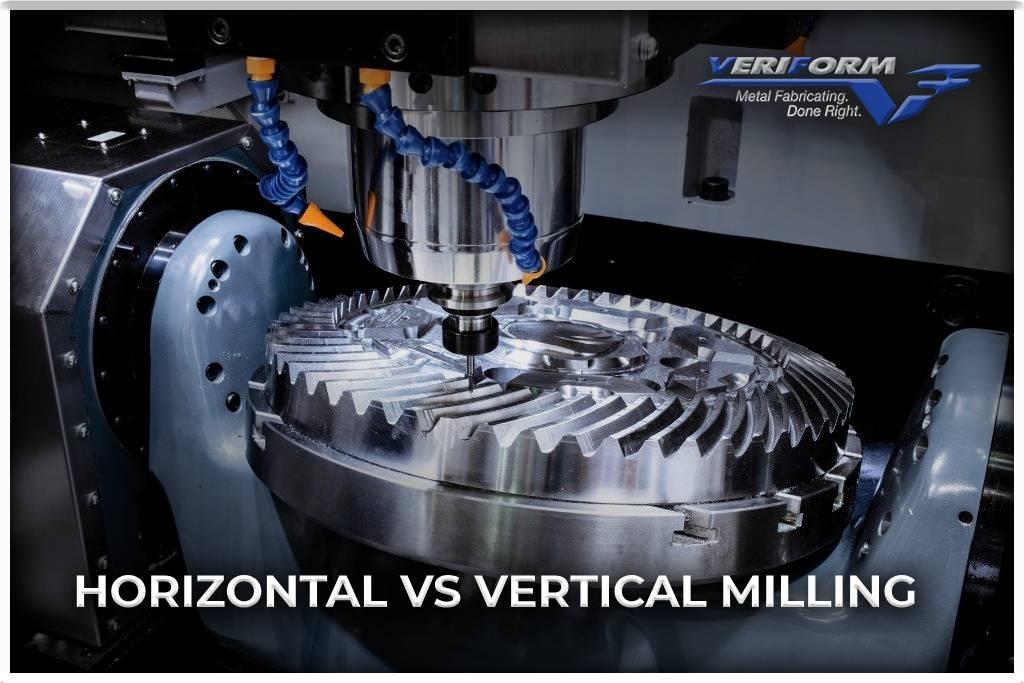
When it comes to precision machining, choosing between a Horizontal Milling Machine and a Vertical Milling Machine is a pivotal decision that can significantly impact the outcome of a project. Both machines have their unique strengths and applications, making it essential to understand their differences to make an informed choice.
Understanding Vertical Milling Machine
A Vertical Milling Machine is characterized by its vertical spindle orientation. In this setup, the spindle is aligned vertically, allowing for a wide range of milling operations. This machine is highly versatile and excels in tasks where precision and fine detailing are paramount. Vertical Milling Machines are widely used in industries like aerospace, automotive, and general metalworking.
Delving into Horizontal Milling Machine
Conversely, a Horizontal Milling Machine features a horizontal spindle orientation. This configuration enables the machine to handle heavier cutting tasks with ease. The horizontal setup allows for the removal of larger quantities of material, making it ideal for applications where bulk material removal is a primary concern. Industries like the manufacturing of gears, heavy machinery, and shipbuilding often rely on the capabilities of a Horizontal Milling Machine.
The Capabilities of a Vertical Milling Machine
The unique capabilities of a Vertical Milling Machine make it an invaluable tool in precision machining. Its vertical spindle orientation allows for precise control over the cutting process, making it ideal for tasks like intricate profiling, contouring, and drilling. Additionally, Vertical Milling Machines are adept at producing complex 3D shapes with high accuracy. These machines are also highly adaptable, accommodating many tooling options.
Harnessing the Power of a Horizontal Milling Machine
The primary strength of a Horizontal Milling Machine lies in its ability to handle heavy-duty operations. Its horizontal spindle orientation facilitates the removal of larger volumes of material, making it the preferred choice for tasks like roughing and slotting. This machine’s robust construction and stability make it an indispensable tool in industries where large-scale production and material removal are central.
Which is Best Suited for My Project?
Choosing between a Vertical and Horizontal Milling Machine depends on the specific requirements of your project. If precision and intricate detailing are your primary concerns, a Vertical Milling Machine is the way to go. Industries like aerospace, automotive, and mould-making benefit immensely from the capabilities of a Vertical Milling Machine.
On the other hand, if your project involves heavy-duty cutting tasks and the removal of substantial material volumes, a Horizontal Milling Machine is the more suitable option. Industries such as shipbuilding, heavy machinery manufacturing, and gear production rely on the robust capabilities of a Horizontal Milling Machine to meet their machining needs.
In conclusion, choosing between a Vertical Milling Machine and a Horizontal Milling Machine is a critical decision in precision machining. Understanding the strengths and capabilities of each machine is essential in ensuring optimal results for your specific project requirements. Whether it’s the finesse of a Vertical Milling Machine or the brawn of a Horizontal Milling Machine, making the right choice will ultimately lead to the success of your machining endeavour.
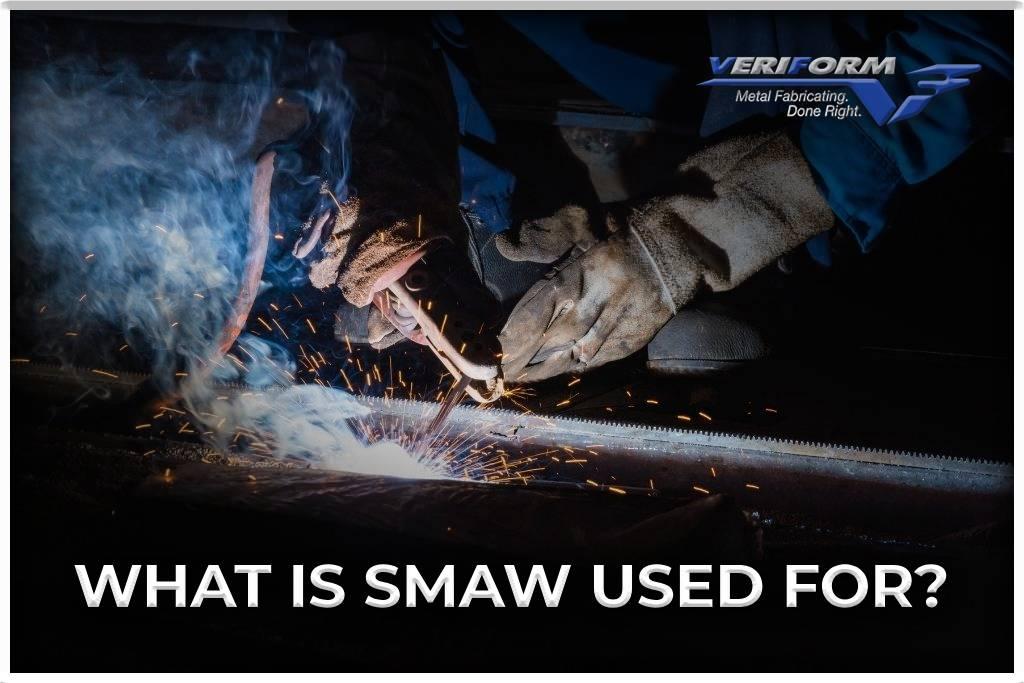
Have you ever wondered, “What is SMAW used for?” Well, you’re not alone. The fascinating world of welding can be quite intricate, but today, we’ll shed some light on the topic, making it both engaging and easy to grasp. So, let’s jump right in!
How to Use Shielded Metal Arc Welding (SMAW)
The charm of SMAW, or Shielded Metal Arc Welding, is its simplicity, combined with its efficacy. To get you started, picture this: It’s a breezy afternoon, and you’re in your garage, ready to join two metal pieces. You strike an electric arc between the metals and the electrode, and voila! The metals begin to meld together as the electrode melts into them. But wait, there’s more to it. Ensuring the welding rod is at the right angle, dragging it consistently, and maintaining the right arc length are all crucial elements of this dance.
What Basic Equipment Is Required for SMAW?
Now, if you’re inspired by the above visual and thinking about diving into SMAW, there are some basic tools you’ll need. At the heart of it all is the power source, which can either be AC or DC. Then you have your electrodes – the magic wands of welding, if you will. These come in various types depending on the material and purpose. Safety first! So, don’t forget the protective gear like welding helmets, gloves, and a sturdy apron.
What Is the Right Speed for Shielded Metal Arc Welding?
Imagine driving. Going too fast might lead to a crash, and going too slow could cause a traffic jam. Similarly, in SMAW, speed matters. The perfect speed ensures a neat weld bead, preventing slag inclusions and porosity. If you’re moving too fast, your weld might be too thin. Too slow, and you risk making it overly thick or uneven. The trick is to watch the puddle – that molten pool of awesomeness. Its size and shape will guide your pace.
What Is the Recommended Power to Shielded Metal Arc Welding?
When talking power, we mean the amperage setting. Think of it as the volume knob on your music system. For SMAW, the electrode size and the material thickness dictate the right power. Bigger electrodes need more power, and thicker metals need a hotter arc. It’s about finding the sweet spot where the electrode doesn’t burn too quickly but still provides adequate penetration.
In What Positions Can SMAW Be Performed?
One of the highlights of SMAW is its versatility. Whether you’re working on a flat surface, making vertical welds, or even overhead – SMAW’s got you covered. There are 1F (flat), 2F (horizontal), 3F (vertical), and 4F (overhead). Each position has its quirks, but with practice, mastering them all becomes second nature.
Is SMAW Recommended for Beginners?
Short answer? Absolutely! Remember the garage scenario? That could be you! SMAW is often hailed as the perfect starting point for budding welders. Its basic equipment, combined with the ability to weld in various positions, offers a great learning curve. Just remember – like every craft, practice is key.
Which Metals Can Be Welded With SMAW?
Another feather in SMAW’s cap is its adaptability to various metals. From carbon steel stainless steel to cast iron – SMAW does the job. Even some aluminum and nickel alloys can join the SMAW party. However, always ensure you’re using the right electrode for the metal to ensure the best results.
What Material Thicknesses Can Be Welded With SMAW?
When diving deeper into the capabilities of SMAW, one might wonder about the material thicknesses suitable for this method. SMAW is highly versatile. It can tackle a wide range of thicknesses, from as thin as 18-gauge sheet metal to heavy plates over an inch thick. But remember, the choice of electrode and power setting plays a pivotal role. For thinner materials, a smaller electrode with a lower amperage setting is apt, while thicker materials demand heftier electrodes and higher power.
What Industries Use Shielded Metal Arc Welding (SMAW)?
The prowess of SMAW isn’t just confined to one’s backyard or garage. Industries worldwide have embraced it with open arms. From construction, shipbuilding, and pipeline development to repair and maintenance tasks, SMAW’s footprint is everywhere. Its ability to perform in challenging environments, like windy outdoor settings, gives it an edge, making it a favourite in many sectors.
What Are the Advantages of Shielded Metal Arc Welding (SMAW)?
Let’s list out the laurels of SMAW:
Versatility: Whether it’s different metals or varied thicknesses, SMAW is up for the challenge.
Portability: Compact equipment means it can be taken almost anywhere, from high-rise buildings to remote field locations.
Less Sensitivity to Wind: Unlike some other welding methods, SMAW performs well even in windy conditions.
Adaptability: It’s suitable for both indoor and outdoor tasks, making it a go-to for many professionals.
What Are the Disadvantages of Shielded Metal Arc Welding (SMAW)?
While SMAW has its highs, it comes with a few drawbacks:
Slower Process: Compared to other welding methods, SMAW can be time-consuming due to the need to change electrodes frequently.
Skill Requirement: It demands a higher level of skill, especially for vertical and overhead welds.
Waste: Used electrode stubs and slag need disposal, which can be seen as wasteful.
Not Ideal for Thin Materials: Extreme care is needed when welding thin materials to prevent burn-through.
Is Shielded Metal Arc Welding (SMAW) Costly?
When pondering the costs associated with SMAW, one might be pleasantly surprised. Initial equipment costs for SMAW are generally lower than many other welding techniques. However, operational costs can vary. Electrodes, protective gear, and power consumption are factors to consider. But, when viewed holistically, for small to medium-sized projects, SMAW can be quite cost-effective.
Conclusion
SMAW, with its myriad of applications, stands as a stalwart in the welding domain. Its advantages make it a favourite across industries, but like all things, it has its limitations. The key lies in understanding its strengths and leveraging them effectively. Whether you’re a hobbyist or a professional, SMAW has something to offer, promising results that stand the test of time.