Architectural fabrication is a cornerstone of modern construction, integrating artistry with structural functionality. This guide explores the diverse techniques and current trends in architectural fabrication, highlighting the pivotal role of architectural steel fabricators and the innovation in architectural metal fabrication processes. Learn how architectural fabrication shapes contemporary architecture, from intricate designs to sustainable practices.
Understanding Architectural Fabrication
Architectural fabrication involves creating structural components and artistic elements in buildings and other structures. It uses steel, aluminum, glass, and composites to achieve desired aesthetics and functionality. The process is guided by precision engineering and craftsmanship and executed by skilled architectural steel fabricators.
Techniques in Architectural Fabrication
Welding and Metal Joining
Welding remains a fundamental technique in architectural steelwork, allowing fabricators to connect metal components seamlessly. Advanced methods like TIG (Tungsten Inert Gas) welding and MIG (Metal Inert Gas) welding ensure structural integrity and aesthetic appeal.
CNC Machining and Precision Cutting
Computer Numerical Control (CNC) machining enables precise cutting and shaping of metals, facilitating intricate designs with high accuracy. This technology is indispensable in creating custom architectural elements tailored to unique project requirements.
Metal Forming and Bending
Metal forming techniques, such as press braking and roll forming, shape metal sheets and profiles into desired forms. These processes are crucial for producing curved and sculptural elements that enhance architectural aesthetics.
3D Printing in Architectural Fabrication
Emerging technologies like 3D printing are revolutionizing architectural fabrication by enabling the efficient production of complex geometries and customized components. Additive manufacturing techniques offer design and material usage flexibility, contributing to sustainable construction practices.
Trends in Architectural Fabrication
Sustainable Materials and Practices
There is a growing emphasis on sustainable architectural metal fabrication, with a shift towards using recycled materials and adopting eco-friendly processes. Fabricators are integrating renewable energy solutions and minimizing waste to reduce environmental impact.
Integration of Digital Design Tools
Advancements in digital design tools, such as Building Information Modeling (BIM) and parametric modelling, enhance collaboration and efficiency in architectural fabrication. These tools streamline communication between designers, fabricators, and contractors, ensuring precise execution of architectural visions.
Modular Construction Techniques
Modular construction methods are gaining popularity due to their efficiency and cost-effectiveness. Fabricated off-site, modular components can be assembled quickly on-site, reducing construction time and minimizing disruption to the surrounding environment.
Incorporation of Smart Technologies
Architectural fabricators increasingly incorporate smart technologies into building components, such as sensor-integrated facades and responsive building envelopes. These technologies improve energy efficiency, occupant comfort, and overall building performance.
Architectural Steel Fabricators: Masters of Craftsmanship
Role of Architectural Steel Fabricators
Architectural steel fabricators are crucial in translating architectural designs into tangible structures. They possess expertise in metalworking techniques and ensure quality and precision throughout the fabrication process, from initial concept development to final installation.
Skills and Qualifications
Successful architectural steel fabricators combine technical proficiency with artistic sensibility. They are proficient in reading technical drawings, conducting material assessments, and employing fabrication techniques that meet stringent architectural and engineering standards.
Collaborative Approach
Collaboration between architects, engineers, and fabricators is essential for successful architectural projects. Architectural steel fabricators contribute their specialized knowledge to optimize designs, resolve structural challenges, and deliver innovative solutions that meet client expectations.
The Future of Architectural Fabrication
Advancements in Materials Science
Ongoing research in materials science is expanding the possibilities of architectural fabrication. Innovations in lightweight metals, composite materials, and bio-based alternatives pave the way for sustainable and resilient architectural solutions.
Customization and Personalization
Consumer demand for unique architectural expressions is driving the trend toward customization and personalization in fabrication. Fabricators leverage digital technologies to offer bespoke solutions that reflect individual aesthetic preferences and functional requirements.
Embrace of Biophilic Design Principles
Biophilic design principles that emphasize connections with nature influence architectural fabrication. Integrating natural elements and organic forms into building facades and interiors enhances occupant well-being and environmental sustainability.
Conclusion
Architectural fabrication is at the forefront of innovation in contemporary architecture, blending craftsmanship with technological advancements to realize visionary designs. The field continues to evolve from the intricate welding techniques of architectural steel fabricators to the integration of smart technologies and sustainable practices. Understanding the techniques and trends in architectural metal fabrication is essential for architects, designers, and stakeholders aiming to create functional, aesthetically inspiring, and environmentally responsible spaces.
FAQs
What is architectural fabrication?
Architectural fabrication involves building structural components and decorative elements, utilizing steel, aluminum, and glass materials.
How do architectural steel fabricators contribute to construction projects?
Architectural steel fabricators specialize in metalworking techniques to fabricate and install architectural components, ensuring structural integrity and aesthetic appeal.
What are the primary techniques used in architectural metal fabrication?
Key techniques include welding, CNC machining, metal forming, and 3D printing, each contributing to the precision and complexity of architectural designs.
What are the current trends in architectural fabrication?
Trends include sustainable materials, digital design tools, modular construction, and smart technologies, transforming architectural projects’ conception and realization.
How does architectural fabrication support sustainable practices?
Architectural fabrication promotes sustainability through recycled materials, eco-friendly processes, and innovative technologies that enhance energy efficiency and reduce environmental impact.
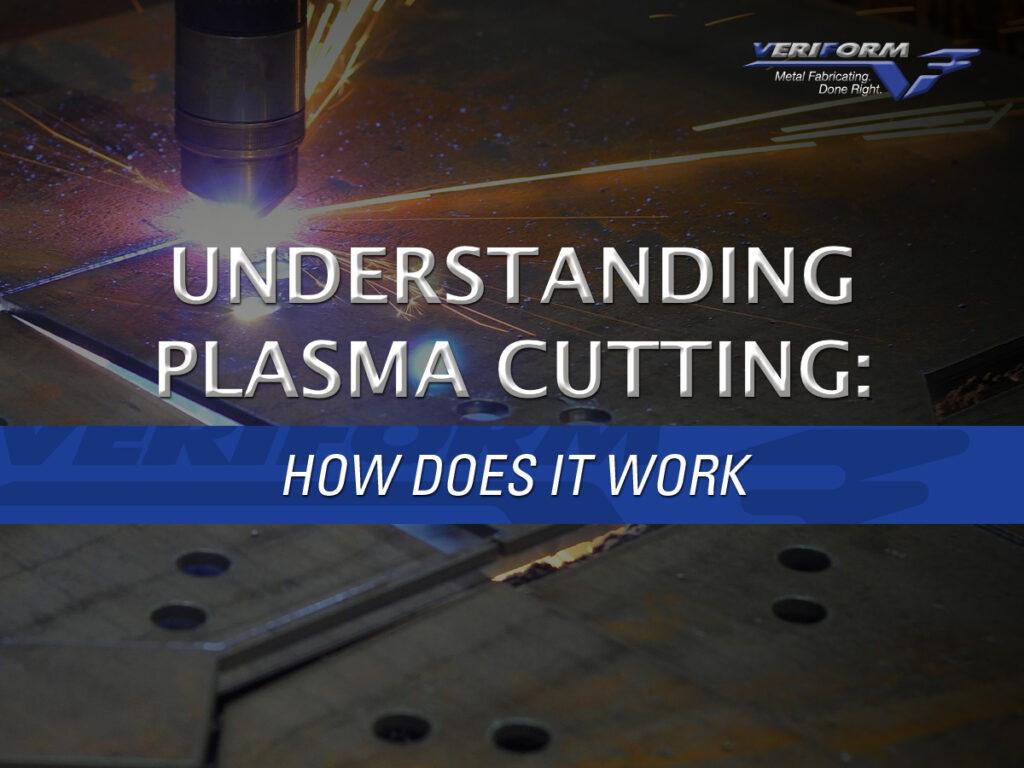
Plasma cutting is a versatile and efficient method used in various industries to cut metals of different thicknesses. This article explores the intricacies of plasma cutting, detailing its mechanics, applications, and advantages. By understanding how plasma cutters work and their role in modern manufacturing, one can grasp the significance of this technology in metal fabrication processes.
What is Plasma Cutting?
Plasma cutting is a thermal cutting process that uses a plasma arc to melt and sever metals. It is primarily used for cutting electrically conductive materials, such as steel, stainless steel, aluminum, copper, and other alloys. The process involves creating an electrically conductive plasma jet from an inert gas, typically compressed air, forced through a constricted opening. This plasma arc reaches up to 30,000°F (16,650°C), melting the metal and blowing away the molten material.
Components of a Plasma Cutting System
A plasma cutting system consists of several key components:
Power Supply
The power supply generates the electrical energy needed to create the plasma arc. It converts AC power to DC and controls the output voltage and current to maintain the plasma arc.
Plasma Torch
The plasma torch directs the plasma jet onto the workpiece. It includes a nozzle where the plasma arc is formed and an electrode that connects to the power supply.
Gas Supply
Compressed air or inert gases (such as nitrogen, argon, or hydrogen) create the plasma arc and blow away molten metal from the cutting area.
CNC Plasma Cutter Machine
Modern plasma cutting systems often include CNC (Computer Numerical Control) capabilities. A CNC plasma cutter machine uses computerized controls to precisely guide the plasma torch along a programmed cutting path, ensuring accuracy and repeatability in cutting operations.
How Do Plasma Cutters Work?
Plasma Arc Formation
1. Initiation: The process begins when a pilot arc is struck between the electrode (inside the torch) and the nozzle.
2. Ionization: The pilot arc ionizes the gas passing through the torch, turning it into plasma.
3. Plasma Jet: Once the plasma arc is established, the gas is forced through a small nozzle, constricting the arc and increasing its temperature to the point where it can melt metal.
Cutting Process
1. Material Preheating: The plasma arc preheats the material along the cutting path.
2. Material Melting: As the plasma arc moves along the metal, it melts the material along the cutting line.
3. Material Removal: Simultaneously, the force of the plasma gas blows the molten metal away from the cut, creating a clean and precise edge.
Applications of Plasma Cutting
Plasma cutting is widely used in various industries for its versatility and efficiency:
Metal Fabrication: Cutting metal sheets and plates for construction, automotive, and aerospace industries.
Industrial Manufacturing: Fabricating machinery parts, components, and structural elements.
Art and Design: Creating intricate metal artworks and sculptures.
Demolition and Salvage: Cutting and dismantling metal structures.
Pipe Cutting: Precision cutting of pipes and tubes for construction and pipeline industries.
Advantages of Plasma Cutting
Speed and Efficiency
Plasma cutting is faster than traditional methods like oxyfuel cutting, especially for materials of moderate thicknesses. It allows for high-speed cutting without compromising on accuracy.
Versatility
Plasma cutting can handle various electrically conductive materials and thicknesses, making it suitable for diverse applications across different industries.
Precision
CNC plasma cutting machines offer exceptional precision and repeatability, ensuring consistent quality in cut parts and reducing material wastage.
Cost-Effectiveness
With high cutting speeds and minimal setup times, plasma cutting is cost-effective for small-scale and large-scale production runs.
Minimal Heat Affected Zone (HAZ)
Compared to other thermal cutting methods, plasma cutting produces a relatively small heat-affected zone, minimizing distortion and preserving material properties.
Conclusion
Plasma-cutting technology has revolutionized metal fabrication processes with speed, precision, and versatility. Understanding how plasma cutters work—from the formation of the plasma arc to the cutting process—provides insight into its applications across various industries. As advancements continue, plasma cutting remains a cornerstone of modern manufacturing, meeting the demands for efficient, high-quality metal cutting solutions.
FAQs
What materials can be cut using plasma cutting?
Plasma cutting is primarily used for electrically conductive materials such as steel, stainless steel, aluminum, copper, brass, and other alloys.
How thick of a material can a plasma cutter cut?
Plasma cutters can cut a wide range of material thicknesses, from thin gauge metals (as thin as 0.5 mm) up to several inches thick, depending on the power of the plasma cutting system.
Are plasma cutters safe to use?
Plasma cutters are safe to use when operated correctly and with proper safety precautions. Operators must wear appropriate protective gear, including gloves, goggles, and flame-resistant clothing.
What are CNC plasma cutter machines, and how are they beneficial?
CNC plasma cutter machines have computerized controls that automate the cutting process based on programmed instructions. They offer precise cutting capabilities, high productivity, and the ability to replicate complex cutting patterns accurately.
Can plasma cutting be used for both straight cuts and complex shapes?
Yes, plasma cutting is versatile and can be used for straight cuts and intricate shapes. CNC plasma cutter machines can precisely follow complex cutting paths programmed via computer software.
Metal fabrication is a cornerstone of modern construction, pivotal in shaping the built environment. From structural components to decorative elements, metal fabrication encompasses diverse processes and techniques that contribute to constructing buildings, bridges, and infrastructure. This article analyzes the evolving role of metal fabrication in modern construction, highlighting cutting-edge techniques and innovations shaping the industry’s landscape. From aluminum fabrication to advanced welding methods, metal fabrication continues to push the boundaries of what is possible in construction.
Expansion of Metals Fabrication in Construction
Metal fabrication has been a fundamental part of construction for centuries, dating back to ancient civilizations such as the Egyptians and Romans. Early metalworkers forged iron and bronze into tools, weapons, and architectural elements, laying the foundation for modern metal fabrication techniques. With the advent of industrialization, the development of machinery and manufacturing processes revolutionized metal fabrication, allowing for mass production and greater precision in construction.
Technical Improvement
Technological improvements have propelled metal fabrication to new heights in recent decades, transforming how construction projects are planned, designed, and executed. Computer-aided design (CAD) software enables architects and engineers to create intricate metal components precisely and efficiently. At the same time, advanced fabrication techniques such as laser cutting and 3D printing have revolutionized manufacturing. These technologies have expanded the possibilities of metal fabrication, allowing for greater customization, complexity, and innovation in construction projects.
The Role of Metal Fabrication in Modern Construction
Structural Components
Metal fabrication is critical in producing structural components for buildings, bridges, and infrastructure projects. Steel beams, columns, and trusses form the backbone of many structures, providing strength, stability, and durability. Advanced fabrication techniques such as computer numerical control (CNC) machining and robotic welding ensure the precise fabrication of complex structural elements, allowing for efficient assembly and construction on-site.
Architectural Features
In addition to structural components, metal fabrication creates architectural features that enhance buildings’ aesthetic appeal and functionality. Ornamental metal work, such as railings, gates, and facades, adds character and style to architectural designs, while functional elements like stairs, canopies, and cladding provide practical solutions for building occupants. Aluminum fabrication, in particular, offers versatility and aesthetic flexibility, allowing architects to incorporate metal elements into their designs in innovative ways.
Cutting-edge techniques in Metal Fabrication
Laser Cutting
Laser cutting is a precision machining process that uses a high-powered laser beam to cut through metal sheets with exceptional accuracy and speed. This technology allows for precisely cutting intricate shapes and patterns, making it ideal for creating custom metal components with complex geometries. Laser cutting is widely used in metal fabrication for applications ranging from signage and decorative panels to structural components and aerospace parts.
3D Printing
3D printing, also known as additive manufacturing, is revolutionizing the metal fabrication field by enabling the production of complex metal parts with unprecedented speed and efficiency. This technology builds up metal layers, one at a time, to create three-dimensional objects directly from digital design files. 3D printing offers designers and engineers greater design freedom and flexibility, allowing for the creation of lightweight, high-performance metal components with intricate internal structures.
Advantages of Metal Fabrication in Construction
Strength and Durability
Metal fabrication offers unmatched strength and durability, making it an ideal choice for structural components in construction projects. Steel, aluminum, and other metals possess inherent properties that provide structural integrity and resist environmental factors such as corrosion, fire, and seismic activity. Metal fabrication techniques such as welding, forging, and casting further enhance the strength and durability of metal components, ensuring the long-term performance of buildings and infrastructure.
Customization and Versatility
One key advantage of metal fabrication is its ability to be customized to meet the unique requirements of each construction project. From small-scale architectural details to large-scale structural elements, metal fabrication offers unparalleled versatility in design, allowing architects and engineers to create bespoke solutions that meet their specific needs. Advanced fabrication techniques such as CNC machining and 3D printing enable precise customization and complex geometries, opening up new possibilities for creativity and innovation in construction.
Environmental Sustainability
Metal fabrication is increasingly recognized for its environmental sustainability, with advancements in materials, processes, and recycling initiatives reducing its carbon footprint. Aluminium fabrication is highly recyclable, with a significant portion of the world’s metal supply coming from recycled sources. Metal fabrication processes such as waterjet and plasma cutting use minimal resources and produce little waste, reducing environmental impact. Additionally, metal structures and components have a long service life. They can be easily repurposed or recycled at the end of their use, contributing to a circular economy and sustainable construction practices.
Conclusion
Metal fabrication is vital in modern construction, providing strength, durability, and versatility to buildings, bridges, and infrastructure projects worldwide. From structural components to architectural features, advanced fabrication techniques and materials are pushing the boundaries of what is possible in construction, enabling architects and engineers to create innovative designs that meet the demands of today’s built environment. As technology evolves, metal fabrication will remain at the forefront of construction, driving progress and shaping the industry’s future.
FAQs
What is metal fabrication, and how does it contribute to construction?
Metal fabrication encompasses a range of processes used to create metal structures and components for construction projects. From structural steel beams to decorative metalwork, metal fabrication is vital in providing strength, durability, and versatility to buildings, bridges, and infrastructure projects.
What are some examples of metal fabrication techniques used in construction?
Metal fabrication techniques used in construction include welding, cutting, bending, machining, and forming. Advanced techniques such as laser cutting, 3D printing, and CNC machining are increasingly being used to create custom metal components with precision and efficiency.
How does aluminum fabrication differ from other metal fabricating processes?
Aluminum fabrication involves shaping, cutting, and welding aluminum alloys to create structural and decorative elements for construction projects. It offers lightweight, corrosion-resistant solutions with high strength-to-weight ratios, making it ideal for various construction applications.
How does metal fabrication contribute to environmental sustainability in construction?
Metal fabrication contributes to environmental sustainability in construction through materials recycling, resource efficiency, and waste reduction initiatives. Metals such as steel and aluminum are highly recyclable, and advanced fabrication processes minimize resource consumption and waste generation, promoting sustainable construction practices.
Shielded Metal Arc Welding (SMAW), also known as stick welding, is one of the industry’s oldest and most versatile welding processes. With a history of over a century, SMAW has evolved into a widely used technique for joining metals across various industries, from construction to automotive manufacturing. This article delves into the evolution, principles, and advantages of shielded metal arc welding, exploring its enduring relevance in the modern welding landscape and its role in shaping today’s infrastructure.
Evolution of Shielded Metal Arc Welding
Shielded Metal Arc Welding traces its origins to the late 19th century, with the invention of coated electrodes by Nikolay Benardos and Stanisław Olszewski in 1885. These electrodes, coated with a flux material, allowed for the creation of an arc between the electrode and the workpiece, producing a weld seam. Early applications of SMAW were primarily focused on joining steel structures in the construction and shipbuilding industries.
Technological Advancements
Over the years, shielded metal arc welding has undergone significant technological advancements, improving efficiency, quality, and versatility. Innovations such as the development of different electrode coatings, advances in welding power sources, and improvements in electrode composition have enhanced the performance and capabilities of SMAW. These advancements have expanded the range of materials that can be welded using the SMAW process, from carbon steel to stainless steel, aluminum, and beyond.
Principles of Shielded Metal Arc Welding
How Does Arc Welding Work?
Shielded Metal Arc Welding creates an electrical arc between a consumable electrode and the workpiece, generating intense heat that melts the base metals and the electrode, forming a molten pool. The flux coating on the electrode serves multiple purposes: it stabilizes the arc, protects the molten weld pool from atmospheric contamination, and forms a slag layer that helps to cool and solidify the weld. As the weld progresses, the electrode is consumed, and the slag can be removed to reveal the completed weld.
Components of a Shielded Metal Arc Welding Setup
A typical shielded metal arc welding setup consists of several components: a power source, welding cables, electrode holder, and welding electrodes. The power source provides the electrical current necessary to create the welding arc, while the welding cables transmit the current from the power source to the electrode holder. The electrode holder, or stinger, holds the welding electrode and allows the welder to manipulate it during welding. It is coated with flux material; the welding electrodes are the filler metal and flux source during welding.
Advantages of Shielded Metal Arc Welding
Versatility and Portability
One of the key advantages of shielded metal arc welding is its versatility and portability. SMAW can be performed in various positions, including flat, horizontal, vertical, and overhead, making it suitable for various welding applications. Additionally, SMAW equipment is relatively compact and lightweight, allowing easy transportation and setup in remote or confined work environments.
Cost-Effectiveness
Shielded Metal Arc Welding is a cost-effective welding process, requiring minimal equipment and setup compared to other welding methods. The simplicity of SMAW equipment and the availability of a wide range of electrodes at affordable prices make it an attractive option for small-scale welding projects and repairs. Additionally, SMAW electrodes have a long shelf life and do not require special storage conditions, reducing operating costs.
Applications of Shielded Metal Arc Welding
Construction and Fabrication
Shielded Metal Arc Welding is extensively used in the construction and fabrication industries, where it is employed to join structural steel components, plates, and pipes. SMAW is particularly well-suited for field welding applications, such as erecting steel structures, bridges, and pipelines, where access to power sources may be limited. Its versatility and portability make it a preferred choice for welding in outdoor or remote locations.
Automotive and Manufacturing
In the automotive and manufacturing sectors, shielded metal arc welding is used for various applications, including fabricating metal frames, chassis, and components. SMAW is well-suited for welding thicker materials and can produce strong, durable welds in high-stress areas. Its ability to weld various metals and alloys makes it a versatile solution for automotive repair and fabrication shops.
Conclusion
Shielded Metal Arc Welding, with its long history and enduring relevance, remains a cornerstone of the welding industry. From its humble origins to its continued evolution through technological advancements, SMAW has proven to be a versatile, cost-effective, and reliable welding process. Its ability to produce high-quality welds in various materials and environments makes it a preferred choice for various welding applications, from construction and fabrication to automotive manufacturing.
FAQs
What are the advantages of shielded metal arc welding?
Shielded metal arc welding offers several advantages, including versatility, portability, cost-effectiveness, and suitability for various welding applications. Its simplicity, reliability, and ability to produce high-quality welds make it a preferred choice for many welders and industries.
How does shielded metal arc welding differ from other welding processes?
Shielded metal arc welding differs from other welding processes using a consumable electrode coated with flux material. Unlike gas metal arc welding or gas tungsten arc welding, SMAW does not require an external shielding gas, making it suitable for outdoor and remote welding applications.
What are some arc welding examples?
Shielded metal arc welding is commonly used in construction, fabrication, automotive manufacturing, shipbuilding, and pipeline construction. It joins structural steel, plates, pipes, and other metal components in various industries and applications.
Is shielded metal arc welding safe to use?
The metal arc welding process is safe when performed correctly and with proper safety precautions. However, welders must be trained in proper welding techniques and safety procedures to minimize the risk of accidents, injuries, and exposure to hazardous fumes and materials.
How has shielded metal arc welding evolved?
Shielded metal arc welding has evolved significantly since its inception, with technological advancements leading to improvements in electrode coatings, welding equipment, and welding techniques. These advancements have expanded the capabilities and applications of SMAW, making it a versatile and widely used welding process.
What are some key components of a shielded metal arc welding setup?
A shielded metal arc welding setup typically includes a power source, welding cables, an electrode holder, and welding electrodes. The power source provides the electrical current necessary to create the welding arc, while the welding cables transmit the current to the electrode holder. The electrode holder holds the welding electrode and allows the welder to manipulate it during welding.
In the ever-evolving manufacturing landscape, CNC machines have revolutionized how we approach precision, efficiency, and productivity. These computer-controlled machines have become indispensable tools in various industries, from intricate metal fabrication to complex woodworking projects. As technology advances, it’s essential to investigate the latest developments in CNC machine operations, unlocking new frontiers of efficiency and progress.
The Evolution of CNC Machines
CNC, or Computer Numerical Control, machines have their roots in the early days of numerical control (NC) technology, which dates back to the 1940s. Initially developed for aerospace and defense applications, these machines allowed for the precise control of cutting tools using coded instructions. Over time, integrating computers and advanced software transformed these machines into the highly sophisticated CNC machines we know today. Modern CNC machines can perform many operations, including milling, turning, drilling, grinding, and even additive manufacturing processes like 3D printing.
Advancing CNC Milling and Drilling Operations
One of the most significant areas of progress in CNC machine operations lies in milling and drilling. CNC milling machines have become increasingly powerful, capable of handling complex geometries and achieving exceptional surface finishes. Advanced tooling and cutting strategies have enabled these machines to tackle even the toughest materials with unparalleled precision and efficiency. Similarly, CNC drilling machines have undergone significant advancements, incorporating features like automatic tool changers, coolant systems, and advanced control software. These enhancements have streamlined the drilling process, reducing setup times and increasing overall productivity.
Enhancing Precision with Countersinking and Tool Control
In many industrial applications, precision is paramount, and CNC machines have risen to the challenge with innovative techniques like countersinking. This process involves creating a beveled or conical recess around a hole, allowing for flush mounting of fasteners or other components. CNC machines can perform countersinking operations with incredible accuracy, ensuring a perfect fit and seamless integration of parts.
Additionally, advancements in tool control and monitoring have further elevated the precision and efficiency of CNC machine operations. Sophisticated sensor systems can detect tool wear, vibrations, and other factors that may impact the quality of the final product, enabling real-time adjustments and preventive maintenance.
Expanding Applications: CNC Plasma Cutting
While CNC machines have long been associated with subtractive manufacturing processes like milling and drilling, their capabilities have expanded to include additive and non-traditional techniques. One such application is CNC plasma cutting, which utilizes high-energy plasma to cut through conductive materials like steel, aluminum, and stainless steel. CNC plasma cutters offer several advantages, including faster cutting speeds, precise edge quality, and the ability to handle thicker materials. This technology has applications in various industries, from fabrication and construction to artistic metalwork and sculpture.
Automation and Integration: The Future of CNC Operations
As CNC machine technology evolves, the focus has shifted towards seamless integration and automation. Modern CNC machines are increasingly designed to work with robotic systems, material handling equipment, and advanced manufacturing execution systems (MES).
This integration enhances efficiency and productivity and enables real-time monitoring, data collection, and analysis. By leveraging the power of Industry 4.0 technologies like the Internet of Things (IoT) and artificial intelligence (AI), manufacturers can optimize their CNC operations, predict maintenance needs, and continuously improve their processes.
Conclusion
CNC machines have emerged as powerful tools in modern manufacturing, driving efficiency, precision, and progress. From advanced milling and drilling capabilities to innovative techniques like plasma cutting, these computer-controlled machines continue to push the boundaries of what’s possible. As technology advances, integrating automation, real-time monitoring, and Industry 4.0 principles will further enhance CNC operations, enabling manufacturers to achieve new levels of productivity and sustainability. By staying informed and embracing these advancements, industries can unlock the full potential of CNC machines, shaping the future of manufacturing excellence.
FAQs
What are the main advantages of using CNC machines over traditional manual machining?
CNC machines offer several key advantages over traditional manual machining, including:
Increased precision and accuracy: CNC machines can execute complex operations with exceptional precision and repeatability, ensuring consistent quality.
Improved efficiency and productivity: Automated CNC machines can operate continuously, reducing downtime and increasing output.
Versatility: CNC machines can be programmed to perform various operations, from milling and drilling to turning and plasma cutting, making them adaptable to various manufacturing needs.
Reduced human error: With automated processes and precise digital control, the risk of human error is minimized, resulting in higher quality and fewer defects.
How can CNC machines contribute to sustainable manufacturing practices?
CNC machines can play a significant role in promoting sustainable manufacturing practices in several ways:
1. Material efficiency: Precise cutting and optimized tool paths reduce material waste and scrap.
2. Energy efficiency: Modern CNC machines are designed to operate highly, minimizing energy consumption and carbon footprint.
3. Prolonged tool life: Advanced tool monitoring and control systems help extend the lifespan of cutting tools, reducing the need for frequent replacements and minimizing waste.
4. Recycling and remanufacturing: CNC machines can process recycled materials or remanufacture components, contributing to a circular economy.
What safety considerations should be considered when operating CNC machines?
Safety is a crucial aspect of CNC machine operations. Some key safety considerations include:
1. Proper training and certification: Operators should receive comprehensive training and hold the necessary certifications to operate CNC machines safely.
2. Personal protective equipment (PPE): Operators should wear appropriate PPE, such as safety glasses, gloves, and protective clothing, to mitigate potential hazards.
3. Machine guarding: CNC machines should have adequate guarding systems to prevent accidental contact with moving parts or cutting tools.
4. Regular maintenance and inspections: Routine maintenance and inspections should be performed to ensure the safe operation of CNC machines and identify potential issues before they become hazardous.
In the world of metal fabrication, the choice between carbon steel and stainless steel is a critical decision that can significantly impact the performance, durability, and suitability of the final product. These two materials, while sharing some similarities, exhibit distinct characteristics that make them better suited for different applications and fabrication processes. Understanding the nuances of carbon steel vs stainless steel is essential for engineers, fabricators, and end-users alike.
Unlocking the Composition Mystery
At the core of the differences between carbon steel and stainless steel lies their chemical composition. Carbon steel is an alloy primarily composed of iron and carbon, with the carbon content typically ranging from 0.12% to 2.1%. This relatively simple composition contributes to carbon steel’s strength, hardness, and cost-effectiveness, making it a popular choice for various industrial and construction applications.
On the other hand, stainless steel is an alloy that contains chromium at a minimum of 10.5%, along with other alloying elements like nickel, molybdenum, and manganese. The presence of chromium is what gives stainless steel its remarkable corrosion resistance, as it forms a passive oxide layer that prevents rusting and deterioration.
Fabrication Considerations
The distinct properties of carbon steel and stainless steel also influence their fabrication processes and techniques. Carbon steel, with its relatively low cost and high tensile strength, is widely used in welding applications. However, careful surface preparation and protective measures are required to prevent oxidation and rust formation during the welding process.
Stainless steel, on the other hand, poses its own set of challenges during fabrication. While it is inherently corrosion-resistant, the chromium content can lead to the formation of chromium oxides during welding, which can compromise the material’s corrosion-resistant properties. Specialized welding techniques, such as purging with inert gases, are often employed to mitigate this issue and ensure the integrity of the stainless steel fabrication.
High Carbon Steel: A Specialized Variant
Within the realm of carbon steel, a specialized variant known as high carbon steel exists. As the name implies, this type of steel contains a higher percentage of carbon, typically ranging from 0.6% to 1.5%. High carbon steel exhibits exceptional hardness, wear resistance, and tensile strength, making it an ideal choice for applications that require durability and resistance to abrasion, such as cutting tools, knives, and certain machine components.
However, the increased carbon content also makes high carbon steel more susceptible to brittleness and reduced weldability. Proper heat treatment and specialized welding techniques are often required to mitigate these challenges and ensure the successful fabrication of high carbon steel products.
Corrosion Resistance and Environmental Considerations
One of the most significant advantages of stainless steel over carbon steel is its superior corrosion resistance. The chromium content in stainless steel forms a passive oxide layer that protects the material from rust, corrosion, and environmental degradation. It makes stainless steel an ideal choice for applications involving exposure to harsh environments, chemicals, or moisture, such as in the food and beverage industry, marine environments, and certain chemical processing facilities.
In contrast, carbon steel is more susceptible to corrosion and rust, especially in damp or corrosive environments. While protective coatings and surface treatments can enhance the corrosion resistance of carbon steel, these measures often require additional maintenance and may have a limited lifespan.
Stainless vs Carbon Steel: Applications and Cost Considerations
The choice between stainless steel and carbon steel often comes down to the specific application requirements and cost considerations. Carbon steel is generally more affordable and widely available, making it a popular choice for structural applications, construction, and general-purpose fabrication where corrosion resistance is not a primary concern.
Stainless steel is more expensive due to its alloying elements and specialized manufacturing processes. However, its exceptional corrosion resistance, durability, and aesthetic appeal make it the preferred choice for applications in industries such as food and beverage, pharmaceuticals, healthcare, and architectural finishes, where hygiene, longevity, and appearance are crucial.
Conclusion
In the realm of metal fabrication, the choice between carbon steel and stainless steel is a pivotal decision that requires a deep understanding of their distinct properties, fabrication considerations, and application requirements. While carbon steel offers affordability and strength, stainless steel excels in corrosion resistance and durability. Ultimately, the selection should be driven by the specific demands of the project, factoring in environmental conditions, cost constraints, and long-term performance goals. By comprehending the nuances of these two materials, engineers and fabricators can make informed decisions that ensure the successful execution of projects across diverse industries.
FAQs
Can carbon steel be made corrosion-resistant through coatings or treatments?
Yes, carbon steel can be made more corrosion-resistant through various coatings and surface treatments. Galvanizing, which involves applying a protective zinc coating, is a common method to enhance the corrosion resistance of carbon steel. Other options include powder coating, painting, and the application of specialized coatings like epoxy or polyurethane. However, these treatments often require regular maintenance and may have a limited lifespan compared to the inherent corrosion resistance of stainless steel.
Is it possible to weld stainless steel to carbon steel?
Yes, it is possible to weld stainless steel to carbon steel, but it requires specialized welding techniques and filler materials. The dissimilar materials can create galvanic corrosion issues, which must be addressed through proper joint design, filler metal selection, and post-weld heat treatment. Additionally, care must be taken to ensure that the weld does not compromise the corrosion resistance of the stainless steel component.
How does the cost of carbon steel compare to that of stainless steel?
Carbon steel is generally more affordable than stainless steel due to its simpler composition and lower production costs. The price difference can vary depending on factors such as the specific grade of steel, market conditions, and local availability. However, the higher initial cost of stainless steel is often offset by its superior corrosion resistance, durability, and lower maintenance requirements over the long term.
Are there any environmental concerns associated with carbon steel or stainless steel production?
Both carbon steel and stainless steel production processes have potential environmental impacts. Carbon steel production can contribute to greenhouse gas emissions and air pollution due to the use of coal and coke in the steelmaking process. Stainless steel production, while more energy-intensive, generally has a lower carbon footprint but may involve the mining and processing of alloying elements like chromium and nickel, which can have environmental consequences if not properly managed.
Steel, a foundational material in construction and countless industries undergoes various processes to achieve its final form. Steel rolling is a crucial technique that shapes steel into sheets, plates, and other desired shapes. This article dives into the two main types of steel rolling: hot rolling and cold rolling. Each method offers distinct advantages and applications in the vast world of metalworking. Understanding these types of rolling will equip you to make informed decisions when selecting steel for your projects.
Unveiling the Power of Steel Rolling
Steel rolling utilizes immense pressure from rollers to transform red-hot or room-temperature steel ingots into various shapes and thicknesses.
The Hot Rolling Frenzy
Hot rolling reigns supreme in shaping large steel sections. Steel ingots are heated to scorching temperatures, exceeding their recrystallization point. This extreme heat makes the metal more malleable and more accessible for manipulation by the powerful sheet metal roller. Hot-rolled steel boasts advantages like faster production times and affordability. However, its dimensional tolerances could be more precise, and the surface finish tends to be rougher than cold-rolled steel.
Advantages of Hot Rolling
Hot rolling offers several advantages: It’s a more cost-effective process due to the faster production speeds achieved by high temperatures. Hot-rolled steel exhibits excellent formability, making it suitable for bending and shaping applications. The hot rolling process inherently relieves internal stresses within the steel, improving its overall stability.
When to Choose Hot-Rolled Steel
Hot-rolled steel is the go-to choice for projects requiring significant structural components like beams and columns. Its affordability and excellent formability make it ideal for these applications. Additionally, hot-rolled steel is often used as a starting point for further processing through cold rolling for situations where a smoother finish or tighter tolerances are necessary.
Cold Rolling for Precision
Cold rolling takes previously hot-rolled steel and refines it further. The steel is processed at room temperature, and work hardening strengthens the material. This process allows for tighter control over dimensions, resulting in highly precise sheets and coils. Additionally, cold rolling yields a smoother and cleaner surface finish, making it ideal for applications requiring a polished aesthetic.
Benefits of Cold Rolling
Cold rolling has its own set of benefits: Cold-rolled steel shines with its exceptional dimensional accuracy. Tighter tolerances on thickness and width make it perfect for precise applications. Cold rolling also boasts increased strength and hardness. This makes the steel suitable for high-stress environments. The smooth surface finish of cold-rolled steel often eliminates the need for additional finishing steps.
When to Choose Cold-Rolled Steel
Cold-rolled steel shines in applications demanding precise dimensions and a smooth surface finish. It’s commonly used in car parts, appliances, and sheet metal roofing due to its superior strength, tight tolerances, and aesthetic appeal. Cold-rolled steel’s inherent strength makes it suitable for applications requiring high structural integrity.
Making the Right Choice
Selecting between hot-rolled and cold-rolled steel hinges on your specific project requirements. Consider the desired dimensions, surface finish, strength, and budget. Hot-rolled steel excels in cost-effectiveness and formability for large structures, while cold-rolled steel reigns supreme in applications demanding precision, strength, and a smooth aesthetic finish.
Conclusion
Understanding the distinct characteristics of hot and cold rolling empowers you to make informed decisions when selecting steel for your projects. Hot rolling offers a cost-effective solution for large-scale projects, while cold rolling provides superior dimensional accuracy, strength, and a polished finish. Explore the unique advantages of each process to unlock the full potential of steel in your metalworking endeavours.
FAQs
What are the primary differences between hot and cold steel rolling processes? Hot rolling uses high heat for larger reductions and improved strength, while cold rolling at room temperature offers tighter tolerances, smoother finishes, and increased hardness.
Which rolling technique is more suitable for producing structural components? Hot steel rolling is generally preferred for producing structural components, such as bars, rods, and shapes, due to its ability to achieve significant cross-sectional reductions and enhance the strength and toughness of the steel.
How does the surface finish of rolled steel products impact their performance? The surface finish of rolled steel products can significantly influence their performance and functionality. Cold rolling typically produces superior surface finishes, which can benefit applications where surface quality is essential, such as automotive body panels, decorative components, or precision engineering applications.
Can both hot and cold rolling techniques be combined in the production process? Yes, it is common for materials to undergo both hot and cold rolling processes sequentially. Hot rolling is often followed by cold rolling to achieve the desired dimensional tolerances, surface finishes, and mechanical properties tailored to the specific application.
In modern manufacturing, laser welding machines have emerged as a game-changer, revolutionizing how we approach precision, speed, and efficiency. These cutting-edge machines harness the power of highly focused laser beams to fuse materials with unparalleled accuracy and strength. As we delve into the world of laser welding, we’ll uncover the remarkable capabilities of these machines and their profound impact on various industries, from automotive to aerospace and beyond.
Laser Welding: Forging the Future of Manufacturing
The manufacturing world is transforming, driven by the precision and power of laser technology. Enter laser welding machines – these innovative tools are revolutionizing how we join materials, creating more robust, cleaner, and efficient connections.
The Power of Precision: Laser Welding Unveiled
At the heart of a laser welding machine lies a concentrated beam of light that generates intense heat and energy. This laser beam is directed with pinpoint accuracy onto the materials to be joined, melting and fusing them with extraordinary precision. Laser welding offers unmatched control, unlike traditional methods, allowing for intricate and complex welds with minimal distortion or heat-affected zones. This level of precision is invaluable in applications where dimensional accuracy and structural integrity are paramount, such as in the aerospace and medical device industries.
Speed and Efficiency: Streamlining Production Processes
One of the most significant advantages of laser welding machines is their remarkable speed and efficiency. These machines can rapidly fuse materials with minimal setup time, enabling faster production cycles and increased throughput. The high energy density of the laser beam allows for rapid heating and cooling, reducing the risk of warping or distortion in the welded components. This streamlined process enhances productivity and reduces material waste, contributing to cost-effective and sustainable manufacturing practices.
Versatility Unleashed: Diverse Material Compatibility
Laser welding machines boast an impressive range of material compatibility, making them versatile tools for various applications. From delicate metals like aluminum and stainless steel to advanced materials like titanium and nickel-based alloys, these machines can seamlessly fuse various materials with exceptional strength and reliability. This versatility opens up new possibilities for manufacturers, enabling them to explore innovative designs and material combinations that were once deemed challenging or impractical using traditional welding techniques.
Automation and Integration: Enhancing Productivity
Laser welding machines seamlessly integrate into automated manufacturing systems, enhancing productivity and efficiency. By combining these machines with robotic arms and computer-controlled positioning systems, manufacturers can achieve consistent and repeatable welds with minimal human intervention. This level of automation reduces labour costs and minimizes the risk of human error, ensuring consistent quality and reliability across large-scale production runs.
Advanced Applications: Pushing the Boundaries
The capabilities of laser welding machines extend far beyond conventional applications. These machines produce lightweight yet robust vehicle structures in the automotive industry, contributing to improved fuel efficiency and reduced emissions. In the medical field, laser welding plays a crucial role in manufacturing implants and surgical instruments, ensuring biocompatibility and precise tolerances. Furthermore, emerging technologies like additive manufacturing (3D printing) increasingly rely on laser welding for intricate and complex part fabrication, opening new frontiers in design and innovation.
Conclusion
As we navigate the ever-changing landscape of modern manufacturing, laser welding machines are a testament to the power of innovation and technological advancement. These remarkable machines have revolutionized how we approach precision, speed, and efficiency, enabling manufacturers to craft connections that transcend traditional boundaries. Whether you’re in the automotive, aerospace, medical, or any other industry, embracing the capabilities of laser welding machines can unlock a world of possibilities, driving innovation, enhancing productivity, and shaping the future of manufacturing.
FAQs
What are the main advantages of using a laser welding machine? The main advantages of laser welding machines include exceptional precision, high speed and efficiency, versatility with various materials, seamless automation integration, and advanced applications across diverse industries.
How does welding work? A laser welding machine generates a highly concentrated beam of light that produces intense heat and energy. This laser beam is directed onto the materials to be joined, melting and fusing them with pinpoint accuracy.
What materials can be welded using a laser welding machine? Laser welding machines are compatible with a wide range of materials, including metals like aluminum, stainless steel, titanium, and nickel-based alloys and advanced materials used in industries like aerospace and medical devices.
Is laser welding suitable for intricate or complex designs? Laser welding is particularly well-suited for intricate and complex designs due to its exceptional precision and minimal heat-affected zones. This enables manufacturers to create intricate welds and explore innovative designs that would be challenging with traditional welding methods.
How does laser welding contribute to cost-effective manufacturing? Laser welding machines offer high speed and efficiency, reducing production cycle times and material waste. Additionally, their compatibility with automation and robotic integration further enhances productivity and minimizes labour costs.
Can laser welding machines be integrated into automated manufacturing systems? Laser welding machines are designed to integrate seamlessly with automated manufacturing systems, robotic arms, and computer-controlled positioning systems. This allows for consistent and repeatable welds with minimal human intervention, improving productivity and quality control.
Metal rolling is a core materials processing technology that continues to advance through innovations. This article explores recent improvements in rolling mills, modeling software, safety features, and automation, shaping the future of metal rolling.
An Overview of Metal Rolling Rolling reduces the thickness of metal stock and imparts desired mechanical properties through compressive forces. Hot metal sheet roll allows higher reductions versus cold rolling at room temperature. Rolling mill configurations like tandem, reversing, and ring mills employ massive rollers to shape metal into sheets, strips, and plates. The process accounts for over 90% of all metals produced today. Ongoing advances provide flatter, thinner, higher-quality rolls.
Smarter Control Systems and Instrumentation Modern rolling mills are evolving into highly automated cyber-physical systems monitored and controlled by industrial computers and smart sensors. Refined gauge and shape measurement scanners feed into adaptive control models that adjust rolling forces in real time. Precision servo-electric motors replace hydraulic systems. Instrumentation upgrades support detecting and correcting deviations faster than human operators.
Advanced Simulation and Design Software Software tools like finite element analysis and thermo-mechanical modeling better predict rolling forces, temperature effects, and product characteristics. Simulations assist engineers in designing optimal roll pass schedules and control strategies before physical commissioning. Virtual plant modeling helps visualize interactions between process variables. Next-generation rolling mills are configured by leveraging simulation for maximum efficiency and precision before operation.
Safer and Cleaner Mills One focus of mill upgrades is improving workplace safety. Advanced fume extraction systems provide cleaner air quality. Sound-dampening materials and noise isolation reduce hearing hazards. Guarded pinch points, light curtains, and interlocks safeguard workers around machinery. Ergonomic handling equipment like manipulators and cranes reduces heavy lifting. Automation and remote monitoring further minimize direct exposure to hazards.
Novel Mill Configurations Unique rolling mill designs continue to emerge optimized for specialized products. Inline mills with coordinated shears, slitters, and rollers enable single-pass production. Small- diameter roll cluster mills can handle geometries like tubes previously infeasible. Continuous rolling processes boost throughput. Mills explicitly designed for challenging new alloys improve roll quality. Material-specific innovations target both productivity and final metal characteristics.
Smart Metal Transfer and Handling Automated stock reels, conveyors, and coilers allow balanced material flow with zero downtime between mill stands. Intelligent transfer systems synchronize for continuous rolling.
Self-adjusting coilers and tension control adapt in real-time to ensure properly wound final rolls without overstretching. Precision material movement minimizes human involvement.
Power and Efficiency Improvements Upgraded AC variable frequency motor drives provide better speed control and energy efficiency. Optimized lubrication flows reduce friction and waste. On-site heat capture and insulation conserve thermal energy. Proportional valves and pumps conserve hydraulic power. Many upgrades focus on reducing rolling power consumption while pursuing green manufacturing principles.
Leveraging Big Data Analytics Refined sensors capture vast datasets on factors from product dimensions to equipment vibrations and temperature changes. Robust cloud-based analysis looks for correlations between variables and predicts deviations. By combining real-time data with historical patterns, rolling can be continuously refined through machine learning algorithms. Data-driven innovative mills will achieve levels of performance consistency that humans cannot match.
The Future of Intelligent Rolling Looking ahead, the rolling mill will integrate even more comprehensive process controls, built-in defect detection, predictive maintenance alerts, and autonomous optimization. Combining metallurgical science with digitized systems will open new realms of efficiency and precision. Rolling will move beyond an operational process into a strategic one where material characteristics are engineered at the molecular level. Technology innovations will shape the next generation of high-tech, low-emission, innovative rolling mills.
Conclusion Rolling technology evolves rapidly through upgraded instrumentation, computational modeling, data-driven systems, and specialized mechanical designs. Integrating material physics with automated control networks will enable a new caliber of intelligent, precision rolling systems for producing the alloys and products driving 21st-century materials science and manufacturing.
FAQS
Q: How have computers changed metal rolling technology? A: Advanced instrumentation, simulation software, predictive analytics, and adaptive controls allow more innovative monitoring and automation of variables like pressure and temperature during rolling. It enhances precision, consistency, and efficiency.
Q: What are the main types of rolling processes? A: Common rolling processes include bar rolling for shaping steel bars, section rolling for vast flats and angles, steel rolling for thin gauge steel sheets, and toll rolling, where customized shapes are produced using specialized rollers.
Q: How does rolling impact metal properties? Rolling enhances strength and hardness via strain hardening while improving uniformity in the grain structure. Careful control over temperature and reduction ratios lets engineers dial in desired characteristics.
Q: What is a sheet metal roller? A: A sheet metal roller is a heavy cylindrical tool used in metalworking and sheet metal rolling processes. It reduces the thickness of sheet metal stock by compressing and forming the material as it passes through. Sets of rollers are used to achieve specific gauges.
Q: What is metalworking in Canada? A: Metalworking Canada refers to various industrial processes that involve cutting, forming, and assembling metals. Many metal fabrication shops and metalworks across Canada perform metalworking activities like machining, welding, and finishing to produce parts for automotive, construction, manufacturing, and other sectors.
Laser welding technology offers distinct advantages over conventional welding methods for many applications. This article examines how laser welding compares to traditional techniques like MIG, TIG, spot, and arc welding across various factors.
An Introduction to Laser Welding Laser welding directs an intense, focused beam of monochromatic laser light to fuse materials seamlessly. The concentrated heat input creates narrow welds and precise penetration. Lasers allow the welding of heat-sensitive metals and intricate components that other processes struggle with. Lasers provide highly accurate, controlled welding, ideal for delicate electronics and medical devices. Automation potential is high. Lasers have downsides like higher equipment costs, but offer unique capabilities over standard welding.
Heat Source and Operation With traditional welding, an electrical arc or flame provides the heat to melt base metals. It trades control for high penetration power. Vast pools of heat can warp and weaken joint areas. Laser welding concentrates up to 100,000 watts into a pinpoint, accurate beam guided by CNC programming. The parallel sides and reduced heat input prevent warping, allowing deeper penetration into reflective metals like aluminum or copper. The precise, automated heat control is a significant advantage over conventional welding’s brute-force approach.
Metals Joining Ability Standard welding methods like GMAW and GTAW work well for safely joining ordinary steel, iron, and nickel alloys. But more exotic and reflective alloys like aluminum, titanium, and copper can be problematic. Laser welding readily joins dissimilar metals since the concentrated heat minimizes metallurgical compatibility issues. The laser beam is also not impeded by shiny surfaces. This allows for intricate mixed-metal components and electrodes.
Speed and Efficiency Standard welding could be faster due to manual operation, wide welds, and slow heat input. Typical speeds range from 2-6 inches per minute for skilled welders. High-volume output requires multiple welding stations. Laser welding achieves speeds exceeding 100 inches per minute with automated systems. Narrow welds minimize cleanup and rework. Lasers achieve in seconds what takes other welding many minutes. Reduced heat input saves energy as well. Laser efficiency benefits high-production environments.
Weld Quality and Appearance Conventional welding produces adequate strength, but the results are visually uneven and often blemished. Pools of splatter and discoloration require extensive cleanup.
Laser welding seams have a uniform, machined look, lacking imperfections. The concentrated heat minimizes splatter and fingerprinting. Smooth, even welds generally need little post-processing. Laser welding provides consistent aesthetic manufacturing demands.
Effect on Base Metals The broad heating and cooling cycles of traditional welding induce material stresses that may require post-weld heat treatment to stabilize the joint. This distortion and hardening reduces ductility. The laser’s narrow heat-affected zone exerts minimal stresses on metals. Materials retain more pre-weld tensile strength and plasticity. Lasers help materials avoid compromising their innate characteristics.
Automation Capability Standard welding remains primarily a manual process requiring an experienced human operator, even with welding robots. Fixturing and joint preparation add labour. Laser welding systems excel at full automation using advanced programming. Simple rigid fixturing combined with laser precision minimizes setup workload. Lasers can weld complex curves and tricky joints with minimal direct handling. This automation potential boosts productivity.
Cost Considerations Standard welding equipment like welders and wire feeders involves moderate upfront costs. Consumables like filler metal and shielding gas require ongoing purchase. Laser welding systems carry high initial capital costs, often exceeding $100,000. Automated operation then reduces per-part costs, and fibre lasers minimize maintenance expenses. Lasers provide quick ROI in high-volume scenarios.
Safety Factors Conventional welding poses numerous risks, from electrical shock to eye damage, fumes, and heat/fire hazards. Sound protection is critical against loud arc noise. Laser welding systems require safeguarding but eliminate electrical and fume risks. Some laser wavelengths can be filtered for safe viewing. The enclosed beam path tightly contains any hazards. Laser hazards are more straightforward to control than traditional welding.
Conclusion Laser welding enables reliable precision and efficiency, exceeding conventional welding’s capabilities on advanced metals and geometries. However, the initial investment means it only outperforms traditional welding in high-volume production where automation can be leveraged. Each process has applications where it shines based on work volumes, base materials, precision needs and cost considerations. Understanding their respective strengths helps manufacturers select the optimal welding approach.
FAQs
Q: What is the difference between a laser welder and laser welds? A: A laser welder is a machine that creates laser welds. Laser welds refer to the fused joints between materials produced through laser welding using a laser welder’s concentrated laser beam as the heat source.
Q: How thick of metals can lasers penetrate? A: Laser welding can achieve penetrations from 0.005″ up to 0.25″ and is more significant depending on power level, focal optics, and metal composition. Thicker sections may require multiple weld passes.
Q: How does welding work? A: Welding involves melting two materials together using extreme heat. An electric arc, gas flame, solid-state process or other methods generate enough temperature for the metals to fuse upon cooling and solidifying.
Q: What is a laser welding machine? A: A laser welding machine uses an intense laser beam as an energy source for welding metal components together. The laser generates extreme heat localized to a small area, allowing for precise welding without contact between the laser tool and the workpiece.
Q: How much does a laser welding machine price compared to standard welding? A: Laser welding machines have a higher upfront cost. However, they can be more cost-effective than traditional welding over time due to precision, speed, less material waste and lower maintenance fees despite the initial equipment investment.