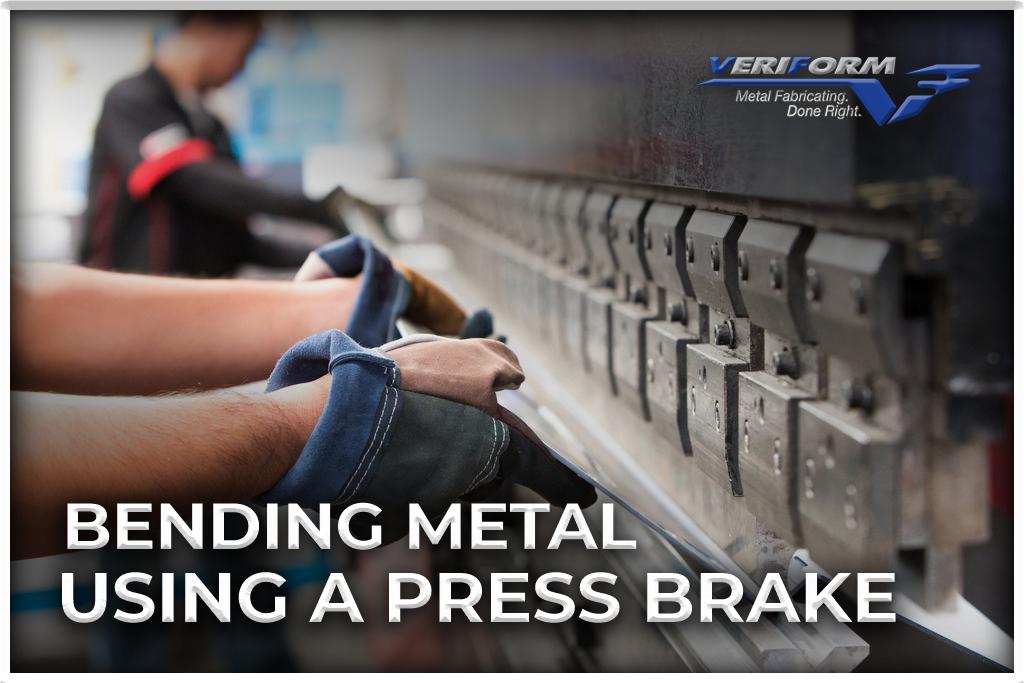
Press brakes are advanced fabrication machines that play a vital role in the custom metal fabrication industry. The press brake is essentially used to bend and shape metal into the desired two-dimensional or three-dimensional shape by applying external force. Without the press brake, shaping metal would be nearly impossible. It is the most common method used for industrial metal bending. Press brake forming is used to create metal fabrication pieces for various industries, including aircraft, automotive, construction, housing, and more. However, there are many different types of press brakes and today, we’ll discuss what those are.
Pneumatic Press Brake
A pneumatic press brake essentially bends metal with compressed air or gas. An electric charge kick starts the machine into motion which then feeds compressed air or gas into tubes that are attached to the press mechanism. The tonnage used on the metal piece depends on the air pressure used in the pneumatic press.
Advantages:
High speed
High precision
Quiet
One of the safest press brakes
Hydraulics Pressers
Hydraulic pressers are named after their hydraulic cylinders and work under the principle of Pascal’s Law. It utilizes two hydraulic cylinders that perform in a synchronized manner and rely on gear pumps to push oil side to side. This allows more control and consistent strokes when you are working on metal. It’s extremely powerful and reliable but isn’t as energy-efficient and can be expensive to maintain.
Advantages:
Low initial cost
Extensive versatility
Easily maintainable
Easy to use
Mechanical Press Brake
Mechanical press brakes are the oldest type on the market. Typically, an electric motor provides energy to a flywheel. The operator controls the clutch which manipulates the flywheel putting the crank mechanism into action providing the necessary force to bend metal. It’s much more straightforward to use making maintenance and operations easier.
Advantages:
Top speed
Powerful
Low maintenance cost
Accurate precision
Servo Electric Pressers
Judging from the name, you can assume that this type of press brake uses a servo-electric motor that powers a belt drive to exert pressure on pieces of metal. It’s also been referred to as an electric hydraulic press brake. Although it’s super-fast and efficient, it is limited to work that uses low tonnage. It also provides the highest accuracy compared to most press brakes.
Advantages:
Significant energy saving
Low maintenance cost
High production efficiency
High bending accuracy
Need Metal Bending Done? Contact VeriForm
When it comes to bending metal and other metal fabrication capabilities, VeriForm is the expert. They have 5 CNC brake presses along with bending and brake forming capabilities of up to 20 feet long. Not only do they have the latest technology but VeriForm also has a great team of professionals with at least 24 years of experience who can consult with you on your next metal fabrication project. Contact VeriForm today to get started!
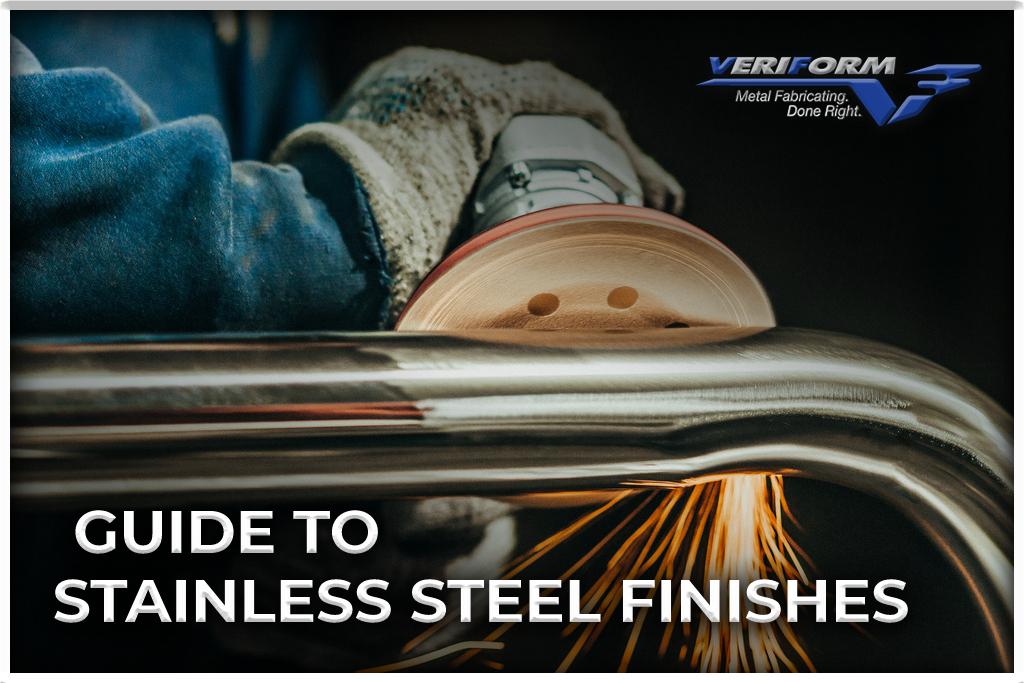
Stainless steel finishes play a vital role in any design specifications. Not only is it for practicality but it’s used for enhancing the appearance of the final product as well. There are a variety of options when it comes to steel finishes. With some exceptions, most finishes are usually classified by number. Every finish is used to achieve different visual effects that are specific to the industry and the final product. For example, a mirror finish is more commonly used for ornamental trim or columns seen in luxury hotels whereas a brushed finish is used commonly in automotive design. The textures, grain orientation, patterns, and other features should be discussed thoroughly with your fabricator. This guide will help you distinguish between some of the most commonly used stainless steel finishes.
No. 2B – Matte Finish
Judging from the name, you can assume the results. A matte finish will appear dull and non-reflective similar to a cloudy mirror, which makes it a good choice when aesthetics isn’t a priority. No. 2B is usually the least expensive compared to the other options and it also happens to be one of the most popular finishes. It’s most commonly used for equipment in a variety of industries including pharmaceutical, chemical, laundry, and even household appliances like parts for refrigerators and kitchen tools.
No. 3 – Brush Finish
Produced through extended brushing, this process creates a moderately reflective finish with one-directional and somewhat coarse polishing lines that extends along the length of the product. It can be achieved using either mechanical or gradual finer polishing techniques. Depending on the product and the application requirements, the grit can determine how reflective the finish is. The higher the grit number the finer the polishing lines are. This type of finish is usually reserved for manufacturing, and food processing equipment such as brewing equipment, and kitchen equipment.
No. 7 – Polished Finish
This type of finish is known for its reflective, very bright, mirror-like appearance. It’s achieved through polishing a No. 4 finish with a 320 grit and up to 10 minutes of extended buffing which produces a higher degree of reflectivity. It has minimal grit lines that can still be seen when you’re standing a few feet away. A common finish that prepares your stainless steel for chrome plating, powder coating, and more. The polished finish is used for architectural designs such as column covers, ornament trim, and wall panels.
No. 8 – Mirror Finish
Similar to No. 7, the mirror finish appearance is highly reflective. No. 8 is actually the most reflective compared to all the other options. The mirror finish can be accomplished through extended buffing (5-10 more minutes than No.7). The extensive buffing essentially gets rid of the grit lines but they’re still visible up close, hence why it’s not the perfect mirror. This stainless-steel finish is typically used for interior architectural designs such as panels, columns, and ornamental applications seen in museums, luxurious office buildings, and more.
Custom Metal Fabrication with VeriForm
You’re not only limited to four stainless steel finishes but there are also many more options available on the market. When it comes to stainless steel finishes, VeriForm has a team of experts that will discuss all the different options with you in-depth. Whether you’re looking for architectural fabrication or custom metal fabrication, VeriForm is your best bet. They have over two decades worth of experience along with the top-notch equipment that can tackle any metal fabrication project. To learn more or receive a quote, contact VeriForm today!
It has been around for more than 150 years and is used for a wide range of applications. This includes construction, residential use, rail, road, agriculture, etc. Galvanized steel is steel that has been coated in a protective layer of zinc. There are many benefits to using this material that we will discuss further. The fact is that it’s a tough and versatile metal. Most importantly, it’s corrosion-resistant. To learn more about galvanized steel, keep reading.
Galvanized Steel – What Is It?
We know that steel itself is a strong durable metal, but galvanized steel can be even better. The zinc galvanized steel is coated in prevents corrosion. Normal steel, despite being strong and tough is susceptible to rust and corrosion. This can be caused by rain or constant contact with other liquids as well as humidity in the air. Corrosion is the main enemy of steel, and the process of galvanizing prevents the onset of this issue.
Why Is Zinc Used?
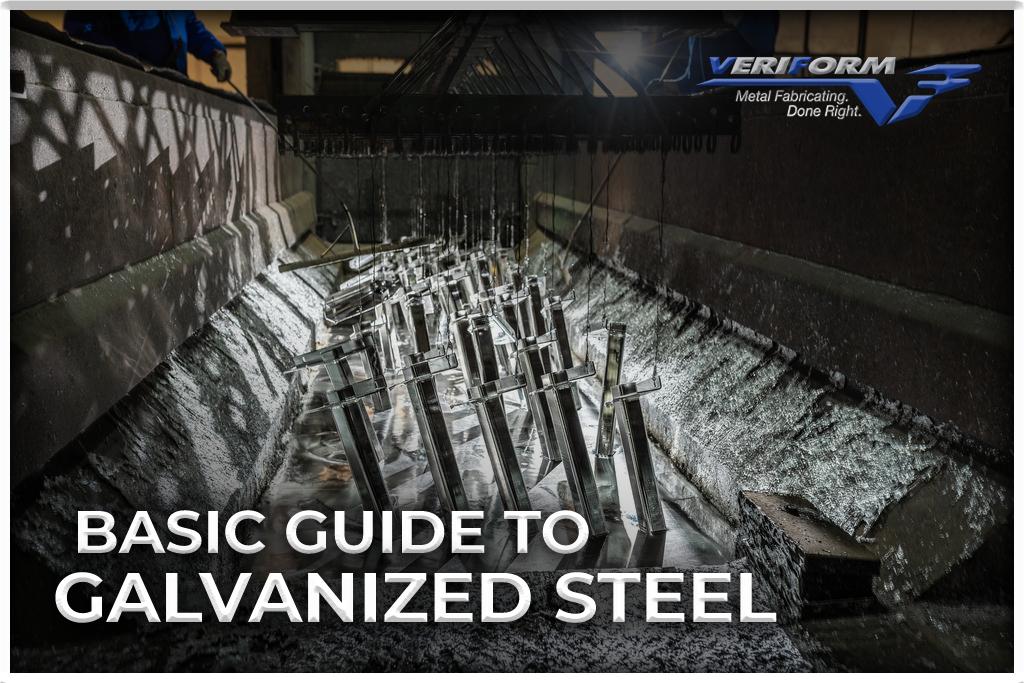
While other metals can also help in this regard, zinc is affordable, easy to apply, and extremely effective. The addition of zinc, in the process of galvanization, improves the steel and minimizes the risk of corrosion. The process was established in England and France as far back as 1837. At that time, the steel was dipped into molten zinc and the process was known as hot-dip galvanization, a process still used to this day.
The Process of Galvanizing Steel
There are various ways to galvanize steel. When molten zinc is added to steel, a chemical reaction causes it to adhere to the steel providing the protective coat. Hot dipping is the most common way to do this but there are other methods. These include zinc, electroplating, mechanical plating, and sherardizing. Zinc metal spray and continuous strip galvanizing are additional methods. The ideal method will depend on the application and the applicator, hence why it’s important to work with companies you can rely on.
The Benefits of Galvanized Steel
The main benefits of galvanized steel are that it is tough, durable, and corrosion-resistant. This makes it a relatively sustainable material to use in structures. Despite the higher initial costs, the strength and durability make it an economical choice over time. Little to no maintenance will be needed for many decades. The galvanizing process is effective and delivers complete coverage. The bond that is formed when zinc is added is extremely strong and reliable. It has proved itself over time, making it predictable. You can measure the lifespan according to the coating thickness with a high rate of accuracy. It also helps during transport, handling, and storage. It makes the project easier to complete and ensures the integrity of the result with minimal hassle and fuss.
What Industries Use Galvanized Steel?
It is used extensively in various industries wherever strong corrosion-resistant metal is needed. This includes:
Construction
Automotive
Telecommunication
Agriculture
Solar
Conclusion — A Metal Fabrication Company You Can Trust
For all your metal fabrication needs, speak to the trusted team at VeriForm. They have more than 24 years of experience in the business and have developed a solid reputation. CNC machining and CNC bending are just some of the services they have to offer. Many capabilities are available including metal bending parts up to 21ft wide, precision plasma cutting, and wide format metal rolling. So, when you’re looking for metal fabrication that needs to be done right, give VeriForm a call or fill out their online contact form to get your free quote.
When it comes to metal fabrication, there are definitely certain dangers associated with this kind of job. Especially if you’re not careful and utilize metal fabrication safety practices on a regular basis. Safety should always be the number one priority. Not only do these safety practices prevent accidental injury, but it also maintains the machinery and encourages your team to stay organized and productive.
Not following these safety procedures can ultimately land you in a number of lawsuits, fines, injured employees and so forth. Essentially, it’s not good for business and it will break the bank. No one would want to work with a company that dismisses their employees’ safety anyways. With that being said, here are some common safety processes your metal fabrication team should be following if they aren’t already.
Metal Fabrication Safety Practices
Following these metal fabrication safety practices will ensure a safe work environment, and happy employees and prevent accidents or injuries while saving your business a lot of trouble and money down the line.
Ensure Proper Training & Reminders
When any company hires new employees, some form of training is usually involved. It’s crucial that safety is a part of this training right from the start. Employers should create a list of safety guidelines or procedures to ensure that nothing has been left out or forgotten. After new employees have gone over these safety guidelines, encourage questions or comments so you know they fully comprehend every aspect before they start to work. Make sure your new employee knows how to work and use all the equipment and tools too, as that can impact your team’s safety as well. It’s also important to go over these metal fabrication safety procedures once in a while for new updates and as a refresher.
Maintain Equipment & Workplace Environment
One of the most common causes of workplace injury is due to slips and falls from an unsafe work environment. With that being said, it cannot be stressed how important it is to keep the work area as clean as possible. Mop up any spills immediately, clear the area and keep your tools, equipment, scrap metal and other things organized. On the other hand, it’s also crucial to inspect, maintain and repair all your equipment. A schedule should be put into place so there’s consistent maintenance. This will prevent any dangerous malfunctions and increase productivity since your machines will function in pique conditions.
Appropriate Clothing & Safety Gears
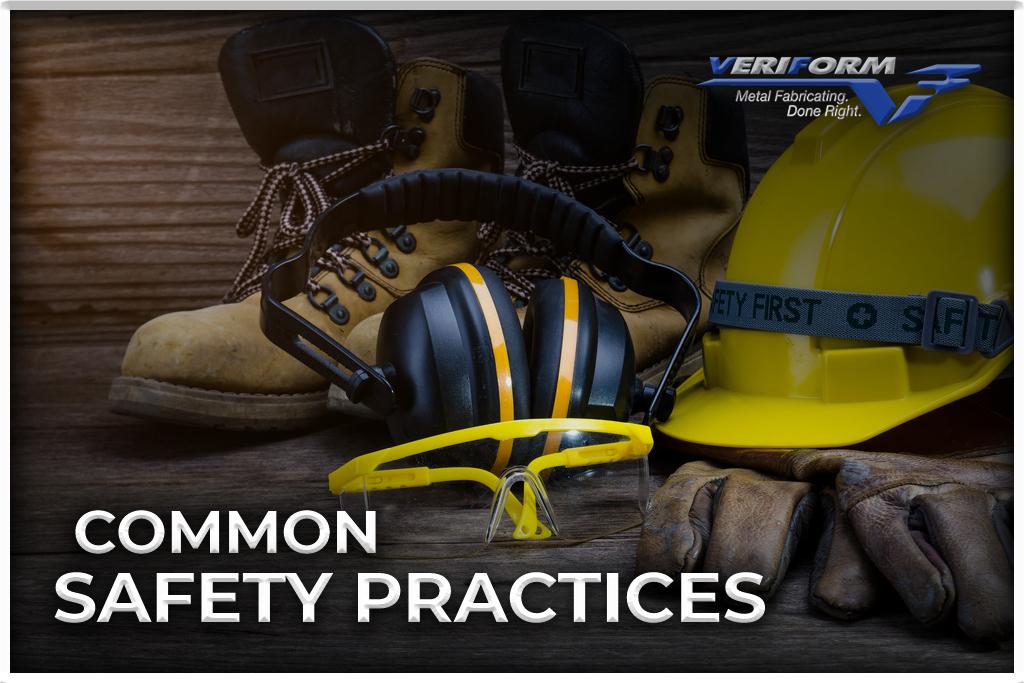
Safety gears were created to provide extra protection. Safety gloves, steeled-toe shoes, goggles and even hard hats should always be accessible for those in the metal fabrication industry. No matter how hard you try to prevent it, accidents are bound to happen. However, safety gear can determine whether you’re facing fatal injuries or minor injuries. With that being said, your employees should also know better in terms of their attire. Stay away from loose clothing that can get caught in the machines. Stay away from inappropriate clothing like shorts and flip-flops that clearly do nothing in terms of protection. Hair should be away from the face, and any jewellery should be taken off.
Safe & Reliable Metal Fabrication — VeriForm Inc.
At VeriForm, safety is one of our top priorities! Our workers aren’t just employees to us, they’re family and we protect our team as we would our family. Our team is highly trained and experienced to tackle any custom metal fabrication tasks without a hitch. We’ve got the latest state-of-the-art equipment to support our employees and we will get the job done right the first time. If you’re looking for a socially responsible and reliable metal fabrication company, contact VeriForm today!
Back then, metal fabrication was only done by hand which as you can imagine, in this line of work comes with many risks. Not to mention, the production rate was obviously much slower. Even to this day, there are still some minor risks associated with this job.
However, as technology continues to advance, tools and equipment were created to minimize these risks and improve the efficiency of their work. Now, there are a variety of high-end metal fabrication tools available that can assist in delivering quality products at a faster rate.
Many of these tools and equipment serves multiple purposes as well. With that being said, let’s discuss some of the common metal fabrication tools used in this industry..
Metal Fabrication Tools That Are Commonly Used
As mentioned, there are many tools that fabricators rely on to complete their projects. Some tools have one function whereas others can have multiple. Let’s see what some of these tools are and how they are used.
Metal Lathe Machine
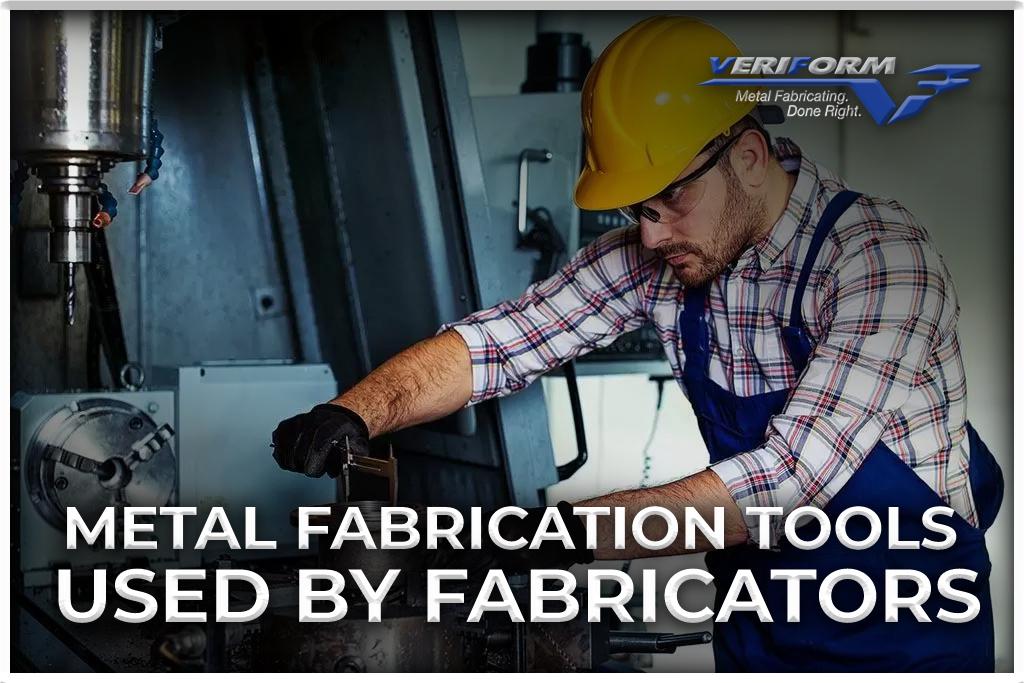
A widely used tool in both mechanical engineering and metal fabrication. Its main job consists of processing various rotary surfaces. Essentially, the machine rotates certain workpieces around a stationary cutting tool which then removes any unwanted metal.
This shapes the metal into the desired form. Besides its main function, a lathe machine can also be used to drill, sand, cut and more. Due to its versatility, many metal fabricators rely on lathes for their fundamental work.
Drilling Machine
As you can assume based on the name — A drilling machine is a high-speed, power-operated machine tool that holds and rotates different kinds of drill bits to create holes.
It can be used to cut holes into various surfaces including metal, wood, cement and so on. A drilling machine is another multipurpose tool as it can be used to perform countersinking, boring, reaming, tapping and other capabilities.
Press Brake Machine
A press brake machine only has one job and that is to bend sheet metal. The sheet metal is positioned at a predetermined angle on top of a die then, a punch is lowered to bend the metal.
The metal can be bent multiple times until the desired form is achieved. There are 4 different methods of force application such as hydraulic, pneumatic, electrical or mechanical.
Metal Fabrication Ontario — VeriForm Inc.
VeriForm has all the latest high-tech equipment, machine and tools needed to create your metal fabrication projects. They have a new horizontal hydraulic press brake with 25 foot long capabilities along with a new 25 feet vertical machining centre!
Not to mention a professional team of expert fabricators that’ll provide you with quality work. Whether you’re looking for CNC laser cutting, shearing, punching or other metal fabrication capabilities, VeriForm has the experience and the skills to get your project done right. Contact VeriForm today to get your project quoted for free! We can’t wait to hear from you.
Knowing everything there is to know about various types of metal can drastically affect your metal fabrication project. Different aspects must be taken into consideration first. Some metal corrodes quicker, different metals have different melting points, and some metals have a magnetic component.
All these factors will affect the outcome of your final product. Knowing the appropriate material to use will save you the trouble, the time and the money later on. With that being said, today’s topic will be ferrous metal versus non-ferrous metals. For those who don’t already know, you’re probably wondering what it is to begin with, and what is the difference? Keep reading to find out more!
What Is A Ferrous Metal?
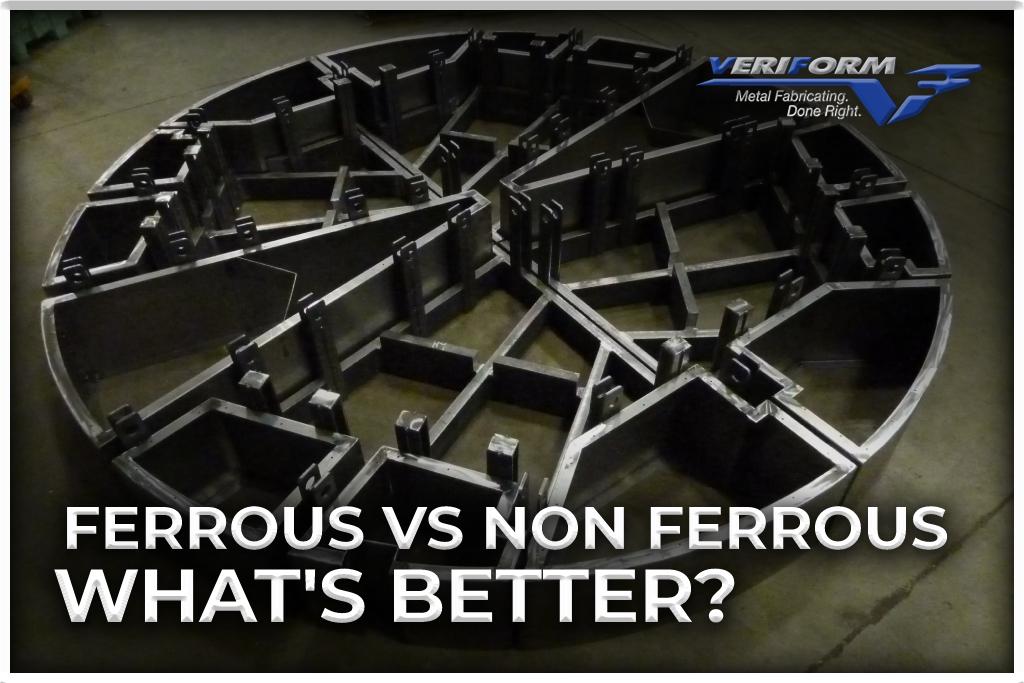
Let’s get straight to the point! Simply speaking, ferrous metals are metals that contain iron while non-ferrous metals don’t contain any amount of iron. Ferrous metals are considerably stronger and more durable making them perfect for architectural and industrial fabrication purposes. Due to the iron component, ferrous metals also tend to be magnetic. Some examples of ferrous metals include:
Examples of Ferrous Metals
Steel – An alloy made by combining carbon with iron — this type of metal is commonly used in construction, manufacturing industries and creating common household items. It’s typically low-cost in terms of making, processing and forming steel.
Alloy Steel– This type of steel is created by combining certain elements of chromium, nickel or titanium. This strengthens the metal and makes it more durable without adding on the extra weight. It’s commonly used in construction, machine tools and other electrical components.
Cast Iron– This ferrous metal contains about 2-4% carbon along with different amounts of silicon, manganese and bits of impurities such as sulfur and phosphorus. It’s considered to be strong but at the same time delicate.
Stainless Steel – Stainless steel has been known to be one of the most durable types of steel. Stainless steel is also heat and corrosion-resistant. It’s frequently used to manufacture tools and appliances like surgical equipment, household items or appliances and even jewellery.
For more information on other ferrous metals, click here.
What Is A Non-Ferrous Metal?
As we previously mentioned, non-ferrous metals contain no traces of iron. It’s also typically not as strong due to the lack of iron but that comes with its own advantages. This makes them more malleable along with having a higher resistance to corrosion and rust. Compared to ferrous metals, non-ferrous metals are ultimately more expensive. A few examples of non-ferrous metals are:
Examples of Non-Ferrous Metals
Aluminum – It’s a low-density metal that’s lightweight. The strength of aluminum isn’t the best. However, it’s the most abundant metallic element found in the earth’s crust. It’s also the most commonly used non-ferrous metal.
Copper – Copper is most notable by its reddish colour and is one of the most ductile metals. It makes a great conductor for electricity and heat. Hence why it’s most commonly used in electrical industries to manufacture wires or other conductors.
Brass – This type of alloy is created with a combination of copper and zinc. It’s a hard metal but malleable depending on the zinc content. It’s most widely used to create bolts, screws, and even ammunition cartridge cases.
Lead – Lead is very workable, dense, durable and ductile however poor in conductivity. It is highly resistant to corrosion but oxidizes quickly. It’s often used in electrical power cables, batteries and ammunition.
For more examples of non-ferrous metals click here.
Metal Fabrication Canada — VeriForm Inc.
Whether you choose ferrous metals or non-ferrous metals for your custom metal fabrication project, VeriForm knows exactly how to turn your optimized designs into your desired end product. VeriForm is North America’s greenest fabricating company!
With over 25 years of experience, they specialize in multiple machining capabilities including welding, countersinking, and milling to name a few. If you’re looking for a well-trusted metal fabrication company, contact VeriForm today!
Metal fabrication is a skilled process in which a craftsman uses raw metal to create a part or product. Metal fabrication is a hazardous job that should only be performed by professional fabrication experts. It requires a wide set of skills and techniques that are learned throughout years of experience. It involves several processes to successfully machine and manipulate the raw material. These processes can include welding, bending, cutting, and more.
It is important to choose the right metal fabrication companies to handle your unique project and to meet your organization’s metal fabrication needs. A good metal fabrication company uses quality metal materials, specialized machinery, advanced technology, and employs only the most experienced metal fabricators. However, just like in any other industry, there are common misconceptions that may deter you from hiring a certain metal fabrication company. Keep reading if you want to find out what these misconceptions are!
Common Misconceptions Within Metal Fabrication Companies
The following list will reveal 5 common misconceptions about metal fabrication companies. 1_
1) Steel Is Non-Recyclable
This misconception could not be any further from the truth. In fact, it is estimated that nearly 630 million tonnes of scrap steel are recycled every year worldwide. Steel is a wise choice for many metal projects because it recycles and maintains its residual value. Steel is resistant to corrosion, durable, strong, and can be used for a variety of purposes because it is safe for a majority of goods, including food.
2) Metal Fabrication Is Bad For The Environment
It is true that some metal fabrication process does generate various hazardous wastes, including oil, solutions, paint, etc. However, there are metal fabrication companies that care about the environment and work hard to minimize waste and conserve energy. For example, VeriForm Inc. has obtained the net-zero status by reducing 75% of its greenhouse gas emissions!
3) It Requires Several Companies To Execute Metal Project Creations
Many people are unaware that you do not need to hire several experts to successfully complete a custom metal fabrication project. There are full-service companies that specialize in engineering, design, and fabrication. So, with that in mind, there’s no need for anyone to have to go through tedious research to find multiple companies to complete one project or task.
4) It’s Best To Choose A Metal Fabrication Company With The Lowest Bid
Many companies make the mistake of choosing metal fabrication companies based solely on the price of their services. This is a hasty decision based on the belief that spending less money on metal fabrication would result in a higher ROI (return on investment). This is a grave and costly mistake.
Oftentimes, when a company chooses the lowest bidding company, you don’t actually save as much money. What you’re left with is usually excessive and costly issues that end up costing you more in the long run. These additional expenses may take the form of hidden costs, lack of communication from customer specialists, and/or poor quality that results in lost time and materials.
5) All Metal Fabrication Companies Produce The Same Products
There are numerous metal fabrication companies to choose from but not all of these companies are created equal. Every fabrication project is unique and requires a team of experienced fabricators, advanced machinery, and a quality control team to ensure that every job is done well. Some fabrication companies have different equipment, different standards, and different skillsets. It’s best to do thorough research to find out which companies provide what services.
Contact VeriForm Inc. Today!
VeriForm is an industry-leading metal fabrication company that utilizes advanced technology, innovative fabrication equipment, and the most experienced metal fabrication experts. VeriForm provides its clients with a full range of fabrication needs.
Metal Fabrication Services Include:
Engineering Assistance
Plasma and Laser Cutting
Shearing
Punching
Bending
Welding
Assembly
Painting
VeriForm also employs a team of dedicated quality control experts to ensure that every metal project is completed successfully. Contact VeriForm today for more information about your metal fabrication needs at 519-653-6000 or request a free quote online!
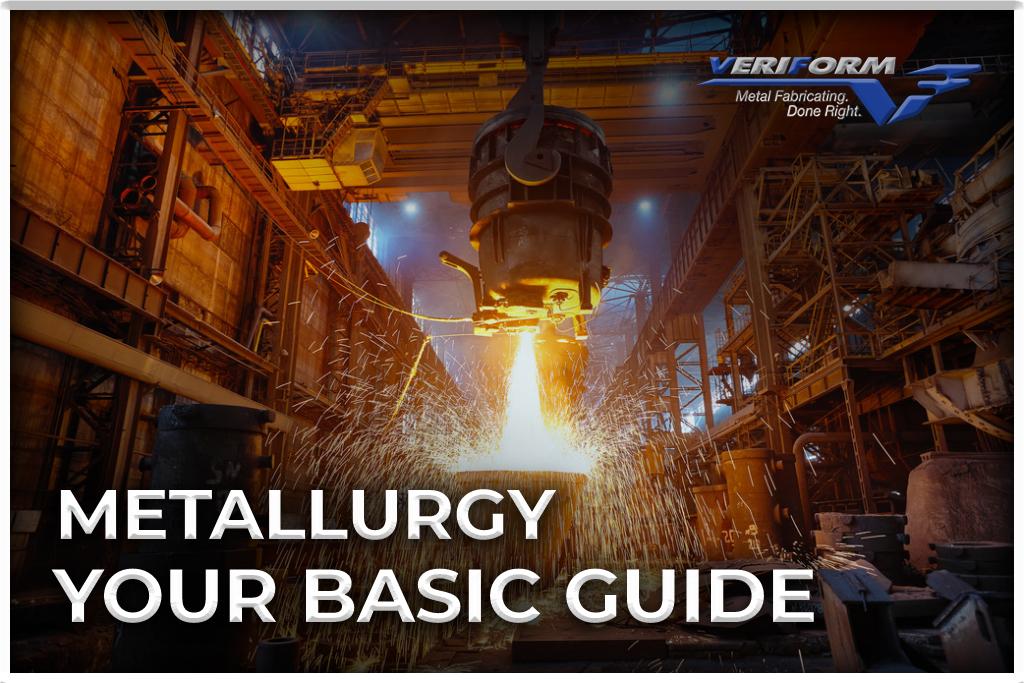
Some of you might be wondering what metallurgy is and how it relates to metal fabrication. Well, metallurgy is a complex field of science and technology that involves the art of metal extraction and/or modification for practical use. There are several different types of processes involved before the metal can be developed into a material that can be used to construct end products.
The type of metal used for metal fabrication is a crucial and often overlooked, element when it comes to developing and manufacturing quality metal goods. In order to obtain the metals used for metal fabrication it first has to go through the processes of metallurgy. The following informative article discusses the science of metallurgy and the importance of the metal used in metal fabrication projects. To learn more, continue reading!
The Art & Science Behind Metallurgy
Metallurgy is an expansive field of study that involves knowledge of the chemical, physical, and atomic properties of each type of metal and alloy. Each type of metal possesses its own unique properties and principles. It also demonstrates the art, science and technology behind turning metals and alloys into malleable forms.
Types of Metallurgy Processes
Metal extraction and modification involves several types of processes. Extractive metallurgy is the process of extracting metal from ores and refining these materials into a pure state. There are many methods that can be used to extract a pure metal from natural ore. The first step in metal extraction is to use methods to concentrate and separate the metal from the ore. Hydrometallurgy and pyrometallurgy are subprocesses in extractive metallurgy.
Pyrometallurgy
Pyrometallurgy is a process that uses high temperatures for metal extraction purposes. This involves roasting, smelting, calcining, and refining the metal compounds. The heat used during this process is generally obtained through combustion or electrical heat. High-grade metals like steel, iron and copper require pyrometallurgy for extraction.
Hydrometallurgy
On the other hand, hydrometallurgy is a process that uses aqueous solutions, either acidic or basic, to extract metal from ores. This process involves leaching, concentration, purification, and metal recovery. Low-grade ores like uranium, silver, copper and gold require hydrometallurgy for extraction. Which method is used is determined by the properties of the natural compound.
Metallurgy & Metal Fabrication
Metal fabrication is the process of using raw material that is extracted during the metallurgy processes to create metal goods. This is an extensive process that requires fabrication experts to have a thorough knowledge of the compounds of metals during the machining and manufacturing processes. This knowledge of metallurgy is important because the process of fabrication requires professionals to bend, cut, weld, and use other methods to manipulate these precious materials into strong and high-quality parts.
Contact VeriForm Today
VeriForm is leading the metal fabrication industry through advanced technology, innovative fabrication equipment, and the most experienced metal fabrication experts. VeriForm provides its clients with a full range of fabrication services to meet their unique needs.
Metal Fabrication Services Include:
Engineering Assistance
Plasma and Laser Cutting
Shearing
Punching
Bending
Welding
Assembly
Painting
VeriForm also employs a team of dedicated quality control experts to ensure that every metal project is completed successfully. Not only is VeriForm a proud member of the Canadian Tools & Machining Association but they also provide their clients with honest, quality-assured products, for organizations, members of the community, and beyond. Contact Veriform today for more information about your metal fabrication needs.
When it comes to metal fabrication, design optimization is paramount. It plays a huge part in how easy it will be for the fabricator to translate the design into a product. Not only that, but it’ll also help the fabricator understand the full capacity of what your project requires. Design optimization will help you meet your metal fabrication expectations while considering other factors that influence the quality, cost, and time during production. In this post, you will learn various ways of optimizing your design for metal fabrication along with the importance of optimizing your designs.
The Importance of Design Optimization
In metal fabrication, design optimization helps with:
Streamlining production
Maximizing process efficiency
Decreasing waste during production
Guaranteeing product quality
Reducing the time and cost associated with product assembly
Ways to Optimize Your Design
Involve The Fabricator Early
By involving the fabricator early in the design process, you will take a lot of load off of your shoulders. The fabricator will let you know if the design is practical, recommend the appropriate materials, and even the best way of producing your product. It’ll also give them a chance to inform you of what can be done and what can’t. Your fabricator is the expert, so you should listen to them for design optimization.
Avoid Unnecessary Information
As you create your design, avoid unnecessary details that could potentially cloud the design. If deciphering your fabrication design has become somewhat of a puzzle for your fabricator, it may delay and even increase the cost of production. More mistakes could be made because of unwanted details. So, consult with your fabricator to distinguish between the important and unnecessary details.
Wisely Consider The Metal Options
When designing a product, you have many metal alloys to choose from. Choosing the right metal in metal fabrication contributes to design optimization. Different alloys meet different needs and can withstand different types of force, heat, or corrosion. By selecting the right metal, you will help drastically decrease costs and make the fabrication process simpler.
In some applications, you may require resilient metals capable of withstanding extreme temperatures, corrosive substances, or force. However, such metals are expensive and difficult to use. In the case that the product is not meant to be exposed to extreme conditions, you can rely on common metal alloys. Besides, to choose the right metal, you need to understand the function of the product and the forces it will need to withstand.
Choose the right company
Finding the right fabricator for your project is invaluable. You should go for a company that can deliver quality machined parts on time. Also, consider other qualities such as the scale and type of fabrication the company offers. This will tell you how suitable the company is for your project. In some cases, a company may not offer some services because they lack the machinery or the necessary experience.Simply speaking, do research on the metal fabrication company before you consult with them on future projects.
Conclusion – Design Optimization With VeriForm
Design optimization is an intricate process in metal fabrication. So, the best way you can optimize your metal fabrication design is by working with a team of experts. At VeriForm, you will get over two decades of experience and skills fabricating parts in stainless steel, aluminum, carbon steel and more. They also have in-house engineers that can cooperate with you to create the desired designs without having you optimize them yourselves. So, if you need help optimizing your design for a metal fabrication project, contact VeriForm today for more information.
Within the metal fabrication industry, the terms manufacturing and fabrication are used interchangeably. Although they are synonyms of each other, these two terms actually mean different things. Fabrication entails creating specialized parts from raw materials.
Manufacturing, on the other hand, means repeatedly creating the same parts and assembling those parts. Oftentimes, these two processes work hand in hand to create the final production. Let’s learn more about the differences between manufacturing and fabrication.
The Difference Between Manufacturing and Fabrication
Manufacturing
As we’ve discussed, manufacturing is all about creating the end product for sale. Usually, it requires prefabricated parts or components of raw material. It’s a large-scale process that results in a more efficient and effective way to produce a completed product for the consumers.
Simply speaking, the manufactured product is completed through conventional manufacturing processes. It ties hand in hand with demand and supply or ultimately, the supply chain. The higher the demand, the more products a business will need to manufacture.
Fabrication
On the contrary, fabrication involves forming structures or parts through different methods and capabilities including but not limited to:
Punching
Welding
Machining
Cutting
The tools and machines used vary from manufacturing. They have more capabilities and are more advanced for delicate operations. The fabrication process starts off with selectively removing, adding or warping sheets of metal into their desired shape and form. Once that step has been completed, it’s ready to be processed and assembled either by a manufacturer or the fabrication company depending on the product.
Manufacturing and Fabrication – Which To Choose?
Now that we’ve established the difference between manufacturing and fabrication, how do you choose which kind of service you’ll require? To start, determine what kind of products you want to create. If you want to create a specialized or unique product that requires more details, fabrication will do a better job. However, if you’re looking to create products with generic parts and assembly, manufacturing is the best choice. It’s quick and efficient for mass production.
The cost and your budget are other aspects to consider. Most businesses looking to manufacture products, usually opt for a contract manufacturing scenario because hiring a manufacturing company or a fabrication company is extremely expensive. Keep in mind, contract manufacturers can be both fabricators and manufacturers despite the name. Even though contract manufacturers can fabricate your products, there are limitations.
Fulfill Your Metal Fabrication Needs With VeriForm
Regardless, the choice between manufacturing and fabricating isn’t just about your product or price. It’s about understanding the differences and the application of production processes. Having the company meet your requirements to the fullest extent instead of wasting time on mundane tasks such as sourcing the right material and so forth.
Now that you have a better understanding of both, you won’t have to worry about finding a subpar solution that doesn’t meet your needs. From the designing stage to the end product — everything should be taken care of with the right company. A company such as VeriForm.
The team at VeriForm has had at least 20 years of experience when it comes to metal fabrication. With state of the art technology and equipment, the job get’s done right the first time. When you work with VeriForm, expect nothing but the best. Contact VeriForm today for more information.